

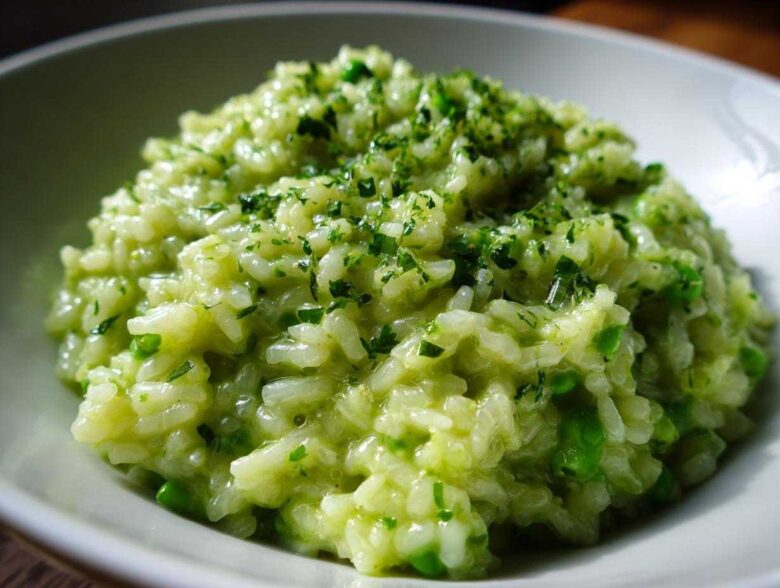
Oh, springtime! When the world finally turns green and those first sweet peas pop up, I just have to celebrate. Forget heavy winter meals; this is when my kitchen sings, usually thanks to a big pot of steaming Spring Pea and Mint Risotto. This isn’t just *a* recipe; this is the one that taught me how to truly treat Arborio rice right. I’ve messed up enough batches to know the exact moment the stirring stops and the magic begins! This guide uses the authentic Italian technique, ensuring you hit that perfect, luxurious creaminess every single time. Trust me, mastering this dish is way easier than you think, and it tastes like sunshine in a bowl.
Why This Creamy Spring Pea Risotto Recipe Works So Well
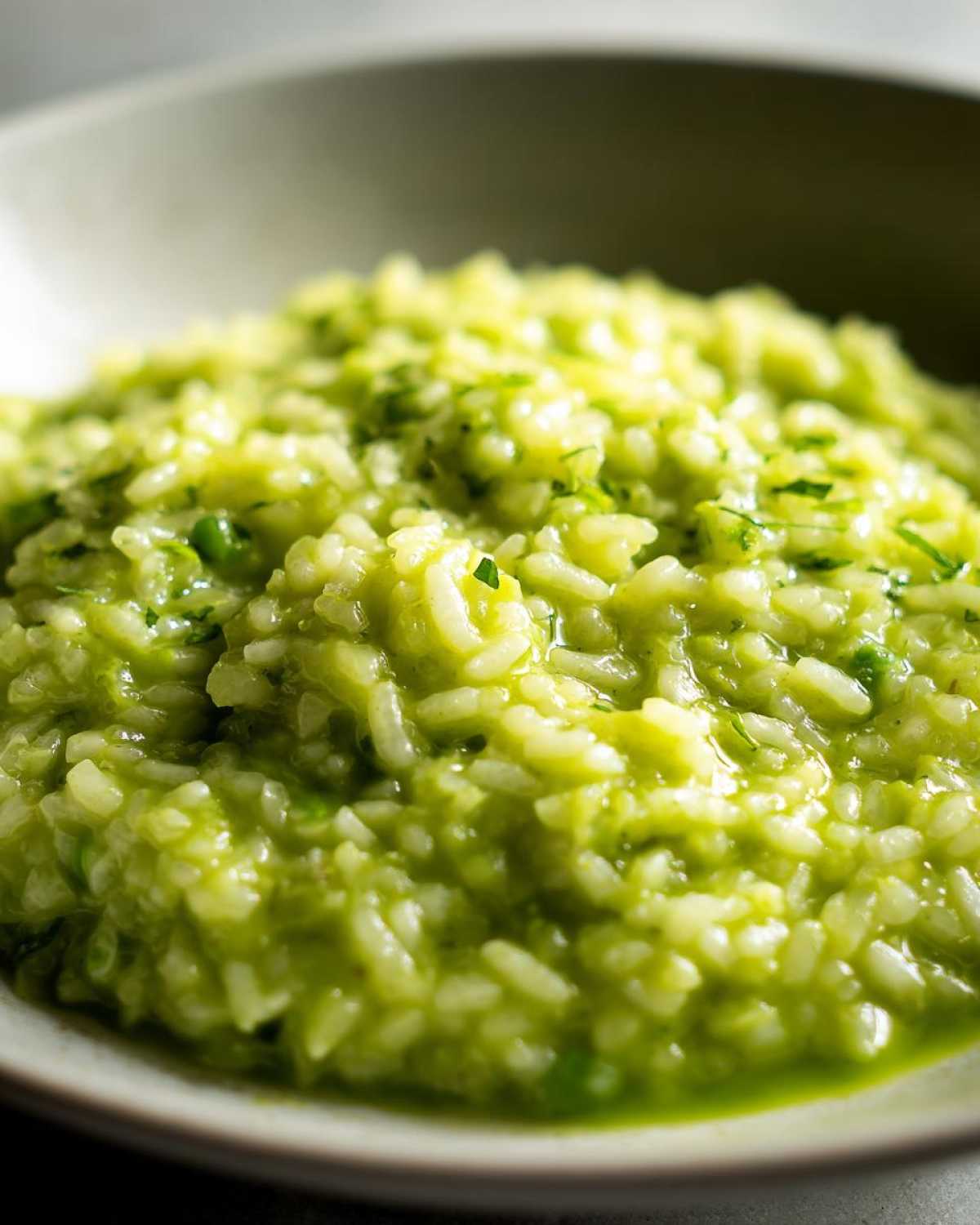
There’s a reason I keep coming back to this specific method for my springtime risotto. It’s all about hitting that sweet spot between texture and vibrant flavor. When you follow these steps, you skip the gummy disaster zone and head straight for that perfectly flowing, elegant dish.
- Incredible Texture: We achieve that legendary creaminess without a single drop of actual cream! It’s all down to patiently releasing the rice starch.
- Brilliant Flavor Balance: The sweetness of the fresh peas is perfectly cut by that sharp, bright freshness from the mint. It just shouts ‘Spring!’
- Simple Execution: Even though risotto has a reputation, the actual steps are straightforward. It’s just consistency that matters!
Perfect Texture Achieved Through Technique
The texture is the whole game, isn’t it? You get the magic—that flowy, almost melting consistency—by stirring constantly as you add the hot stock, one small ladleful at a time. This persistent agitation rubs the starch off the outside of the rice grains. Then, the absolute final move, called mantecatura, where you vigorously beat in that cold butter and cheese, emulsifies everything into pure, thick velvet. Once you nail that, you’ve nailed risotto.
Ingredients for Your Spring Pea and Mint Risotto
Okay, let’s talk about what you need to pull this off. Remember, quality shines through here, especially since we aren’t hiding anything under heavy cream! I’ve worked with this specific set of ingredients hundreds of times, and they deliver that beautiful, bright flavor we’re aiming for. You’ll want to have everything prepped and sitting next to the stove because Italian cooking moves fast once you get going!
Here’s what you need:
One tablespoon of olive oil paired with one tablespoon of unsalted butter for starting off the onions.
One small yellow onion, finely chopped—and I mean finely, you don’t want big chunks dissolving.
One and a half cups of Arborio or Carnaroli rice. This is your canvas, so don’t skimp!
Half a cup of dry white wine—something crisp you’d actually drink, like a Pinot Grigio.
Five cups of stock—I usually use homemade vegetable or chicken stock, and it absolutely MUST be kept hot the entire time.
One cup of fresh or frozen spring peas, shelled if you’re using fresh ones.
Half a cup of grated Parmesan cheese—use the real stuff, please, no powdery shaker cheese in this house!
Two tablespoons of fresh mint leaves, chopped right before you use them so they stay fragrant.
One final tablespoon of unsalted butter, kept cold—this is reserved just for the finishing step.
Salt and black pepper, just to taste at the very end.
Ingredient Notes and Rice Selection
Choosing your rice is really important, but don’t panic if you only have Arborio; it works wonderfully for beginners and gives you that classic, sturdy shape. If you happen to find Carnaroli rice, grab it—it holds its shape just a touch better and results in a slightly silkier texture. Just remember: whatever you choose, the rice needs to be added to the hot fat—the toasting process—to lock in the starch for later release.
Also, listen up about the stock: If your stock cools down even a little bit when you add it, it shocks the rice, and you lose time and consistency. Keep that pot simmering gently on a back burner the whole time you cook. And for those brilliant green hits? If your fresh peas are a little old or you want that ultra-dramatic spring color, take out about a third of them early on, puree them with a splash of hot stock, and stir that vibrant green puree in right before the final butter and cheese go in. It’s a little extra step, but wow, does it make a difference!
How to Make Pea Mint Risotto from Scratch: Step-by-Step
This is where the action is! Forget complicated folding or rolling; making the perfect **Spring Pea and Mint Risotto** is all about rhythm and patience, specifically with the stock. Don’t rush this part—it’s the foundation. I treat this process like a gentle dance, moving from softening the aromatics to achieving that perfect creamy embrace for the peas.
Soffritto and Toasting the Rice for Spring Pea and Mint Risotto
First things first, get your fat hot! We melt that olive oil and the first bit of butter in a wide, heavy pot over medium heat. You’re looking for the finely chopped onion to get soft and see-through—that’s your soffritto—but absolutely no browning here, okay? That takes about five minutes.
Now, the key game-changer: You dump in all your Arborio rice and stir it like crazy for a full two minutes. This is called toasting, and you’re watching the grains—the edges go clear while the center stays opaque. This step primes the rice to hold its shape but release that glorious starch. It’s vital for the final texture!
The Gradual Stock Addition: Building the Creamy Spring Pea Risotto Recipe
Once the rice is toasted perfectly, splash in that white wine and stir until it’s completely gone—evaporated! That acidity cooks off, leaving behind just the flavor. Then, you start with the stock. Have that five cups of stock simmering next to you because it has to be hot when it hits the rice. Add just one big ladleful (about a cup) and stir, stir, stir! You just keep stirring until that liquid is nearly sucked up by the rice.
You repeat this over and over, adding just enough stock so the rice is never swimming, but never dry either. This slow process, patiently stirring the rice for 15 to 18 minutes, is the real secret to an Authentic Pea and Mint Risotto. It’s what makes the rice creamy, not gluey. Trust me on this one; once you get into the rhythm, it’s actually quite meditative!
Finishing the Spring Pea and Mint Risotto with Mantecatura
When you’re about five minutes away from the rice being perfectly cooked through—still having just a tiny core of resistance, or al dente—that’s when you toss in your cup of peas. Keep stirring until the rice finishes cooking and looks creamy, but not finished yet. Get the whole pot off the heat right now! This is the moment for mantecatura.
Vigorously beat in that final tablespoon of cold butter and all that grated Parmesan cheese. You stir like you mean it! This forceful movement binds the fat and starch together, turning your chunky rice into a beautifully flowing wave of creamy goodness. Finally, stir in your freshly chopped mint right before serving. If you’ve done this right, spooning it out shows it should spread softly on the plate—that’s the sign of a perfect creamy spring pea risotto recipe.
Tips for Success When Making Spring Pea and Mint Risotto
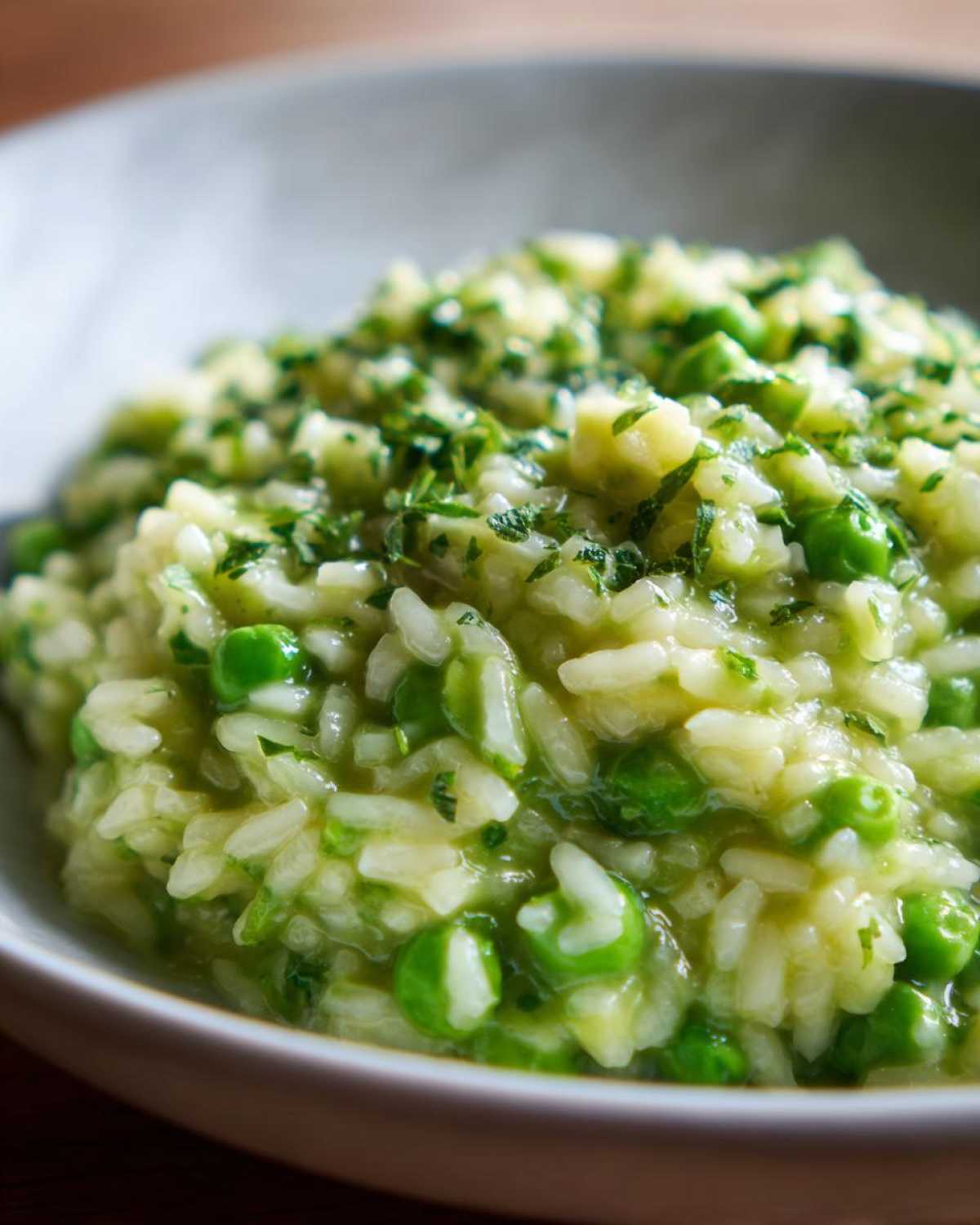
Even though I laid out the steps clearly, I’ve learned a few little secrets along the way that take this from ‘good’ to ‘the best risotto you’ve ever made.’ These aren’t in the main instructions, but they are absolutely crucial if you’re aiming for that elusive, perfect texture they call all’onda—meaning ‘wavy,’ like a gentle wave spreading across the plate.
My biggest piece of advice revolves around heat control and ingredient freshness. Don’t treat this like a regular soup where things can simmer unattended. You need total focus for those 30 minutes!
Keeping the Stock Hot, Hot, Hot!
I cannot stress this enough: if you add anything lukewarm to your toasting rice, you stop the starch-releasing process dead in its tracks. It’s like hitting the brakes on your car constantly. Keep that stock on a low simmer the entire time. If you’re only cooking for two, you might even need less than five cups, but whatever amount you use, it stays hot until it’s absorbed.
The Magic of the Cold Butter Finish
When you get to the mantecatura step—that vigorous final stirring—make sure that tablespoon of butter you are adding is rock cold, straight from the fridge. Why? Cold fat melts slower, and when you beat it into the hot rice mixture off the heat, it creates a stable, beautiful emulsion. Warm butter just melts in too fast and disappears into the rice awkwardly, giving you a greasy finish instead of that glossy, creamy flow. It’s a tiny thing, but it changes everything.
Don’t Overcook the Peas
Since spring peas are so delicate, we add them near the end, but you still have to be mindful. If you add them too early while you’re still doing the main stock additions, those little guys turn into mushy green pebbles. If you add them too late, they might still be too firm. I aim for adding them when the rice is maybe 85% done, giving them just that final 3 to 5 minutes to soften up beautifully without losing their vibrant color or ‘pop.’ Remember, you can always find more beginner risotto cooking tips, but that sweet pea snap is fleeting!
Fresh Mint Timing
Mint is potent! If you stir it in while the risotto is still aggressively hot, the fresh bright flavor just cooks right out of the leaves, leaving you with… well, sad, cooked herbs. Always remove the pot from the heat first, stir in your Parmesan and cold butter, and then gently fold in the chopped mint right on top of that finish. A quick stir to incorporate, and that’s all you need to keep that herbaceous zing alive in every bite.
Variations for Your Homemade Italian Risotto with Fresh Mint
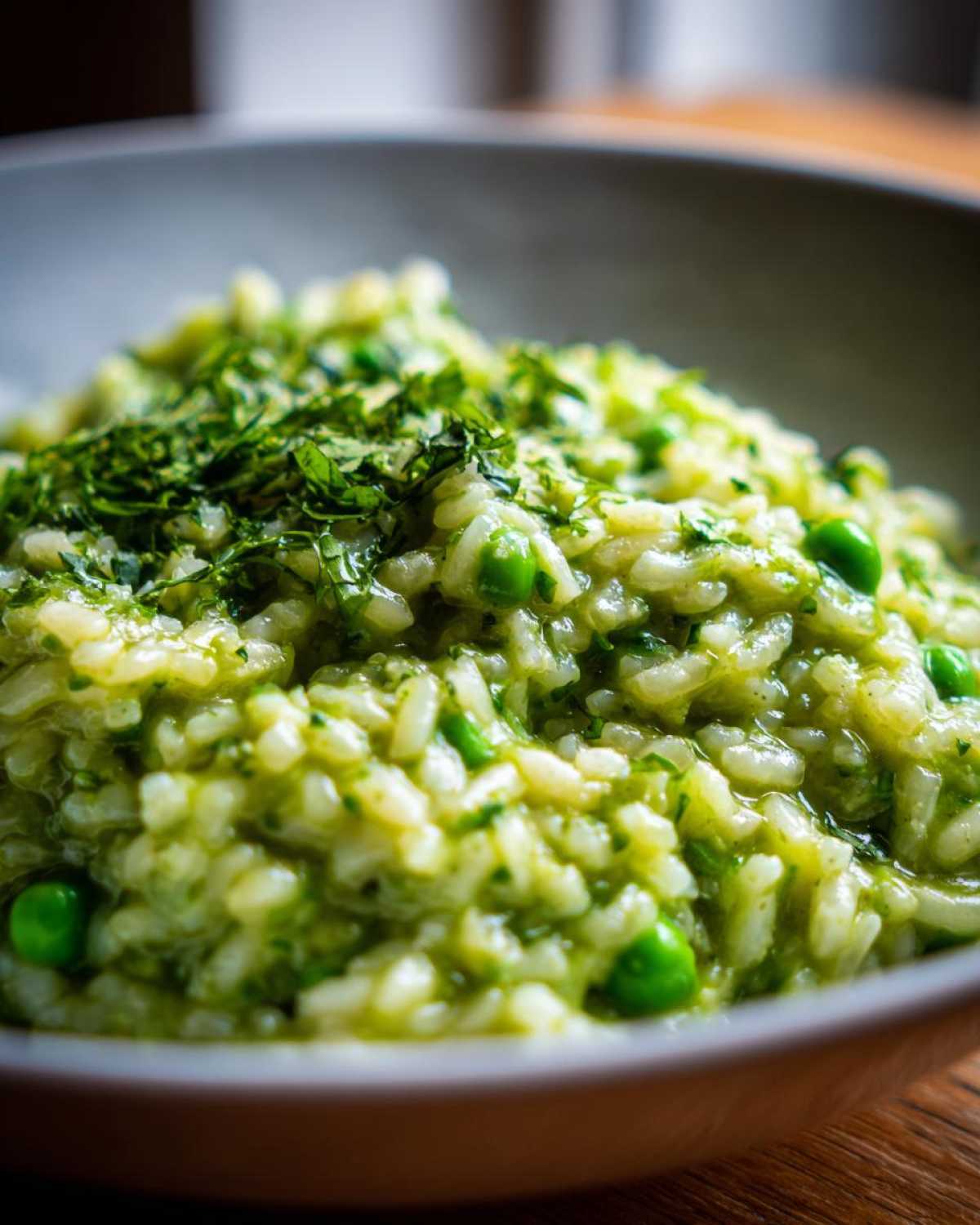
I love how versatile this **Spring Pea and Mint Risotto** is once you’ve mastered that creamy base. While the classic Parmesan and mint combo is flawless, sometimes my mood calls for something a little sharper or brighter! Don’t feel boxed in by the recipe card; this is your dinner.
Swapping Out the Cheese for a Tangier Kick
If you are looking for a bit more zing than the Parmesan gives you, try swapping about half of that cheese for Pecorino Romano. The Pecorino is saltier and definitely has a stronger, tangier sheep’s milk flavor, which plays surprisingly well against the sweetness of the peas. Just remember to go easy on the added salt until you taste it, because Pecorino packs a punch!
Adding a Bright Citrus Note
Sometimes, especially if I’m serving this on a cooler evening, I like to add a little sunshine right at the end. After you stir in the mint, grate in about half a teaspoon of fresh lemon zest. Don’t add too much juice, or you risk breaking that beautiful emulsification we worked so hard for during the mantecatura, but just a little zest brightens up the entire dish beautifully. It really makes those spring flavors pop!
Thinking Beyond Vegetarian Options
I often keep this dish vegetarian, but it begs for a beautiful salty topping if you want to add protein. It pairs magically with perfectly seared scallops or maybe even some crispy smoked pancetta crumbled over the top right before serving. If you go the pancetta route, just render it slowly in a separate pan and use that little bit of rendered fat instead of a teaspoon of the olive oil/butter combo for your initial onion softening. It’s such a fantastic way to add depth to your next batch!
You can also check out how I use leftover rice in my Arancini recipe if you happen to end up with leftovers—though honestly, leftovers of this dish rarely last the night!
Serving Suggestions for this Easy Spring Risotto Cooking Guide
So you have this stunningly creamy, green, and fragrant risotto sitting on your counter. Now what do you serve it with? Since this dish is naturally vegetarian and so rich on its own, you kind of want pairings that add texture or just a little bit of protein without overwhelming the delicate mint and pea flavors. I usually think ‘light and bright’ when I’m plating this up.
Perfect Protein Pairings
For a truly elegant main course—especially if you’re serving this for a spring dinner party—you need seafood that cooks quickly and lightly. Grilled shrimp or pan-seared scallops are my absolute go-to choices. You just want to kiss them with a tiny bit of lemon and sea salt before placing them right on top of that creamy bed of rice. The slight char from the grill or pan works against the softness of the risotto beautifully.
If you lean towards poultry, avoid heavy sauces. A simple sautéed chicken breast or perhaps thinly sliced turkey cutlets seasoned with herbs like thyme would work well. I actually shared a fantastic seasoning blend on my blackened salmon recipe that you can modify for chicken here—it adds just enough spice to make the risotto sing without drowning it out.
Serving as an Elegant Side Dish
But honestly, sometimes this risotto is so perfect, it shouldn’t have to share the spotlight! If you’re making a larger spread, this makes an incredible side dish for roasted white fish, like cod or halibut, especially if you finish that fish with just a squeeze of lemon. It’s much more interesting than plain rice or potatoes.
You can also serve it alongside some crisp, lightly dressed greens. Think arugula tossed with nothing more than olive oil, lemon juice, and maybe a few shaved almonds for crunch. The peppery bite of the arugula acts as a lovely palate cleanser between spoonfuls of the rich risotto.
Storage and Reheating the Spring Pea and Mint Risotto
I’m going to level with you: leftovers of homemade risotto are never, ever quite as good as when they’re freshly made, straight from the pot. That creamy texture we worked so hard for starts to stiffen up as the rice absorbs all the liquid in the fridge. But hey, we hate wasting food, right? So, when you inevitably have some left over, here’s how you treat it best.
Storing Your Leftover Risotto Safely
First, make sure you let the risotto cool down slightly at room temperature—don’t put a huge steaming pot directly into the fridge; that’s a food safety no-no! Once slightly cooled, pack it into a shallow, airtight container. You want to use it up quickly, though. I always say aim to eat any leftovers within two days, maximum. This dish is just so packed with fresh spring flavor that it really doesn’t like spending a long time chilling out.
The Best Way to Revive Stiff Risotto
You absolutely cannot microwave this straight from the fridge! It will turn into a hard, starchy brick—even if you use the defrost setting. The secret to bringing it back to life involves moisture and gentle heat. You need to reheat it slowly on the stovetop over low heat.
Put the hard risotto into a saucepan. Then, stir in a splash—maybe a quarter cup—of fresh, hot stock or even just hot water. Stir constantly and gently as it heats up. That added liquid gets absorbed back into the grains, softening them up and bringing back that beautiful, loose wave consistency. It might take a few minutes longer than you think, but keep stirring it until it’s hot all the way through and creamy again.
Freezing Risotto: A Gentle Warning
If you were hoping to stash this in the deep freeze for a rainy day, I have to stop you right there. Risotto really does not freeze well, especially not with delicate additions like peas and mint. When it thaws, the texture often breaks down too much, turning gummy, and the beautiful creaminess just evaporates. So, I always try to cook down to four perfect servings, or plan on having it for lunch the next day! If you absolutely must freeze it, only freeze the plain rice mixture *before* you add the cheese, butter, and mint. Even then, reheating results are hit-or-miss.
Frequently Asked Questions About Spring Pea and Mint Risotto
I get so many messages asking about fussy details when people try this recipe for the first time, so let’s clear up a few things right here so you can tackle that pot stress-free! I want everyone to succeed with making their own Creamy Spring Pea Risotto Recipe. If you’re interested in other quick fixes after dinner, you can check out my easy 3-ingredient chocolate mousse recipe for dessert!
Can I use frozen peas instead of fresh for this recipe?
Oh, absolutely! Spring is lovely, but sometimes the peas aren’t quite ready, or you just need a shortcut. Frozen peas are fantastic here. They are usually picked at their peak sweetness. Just make sure you add them toward the end when your rice is almost done, just like the fresh ones. They cook faster, so don’t dump them in too early or they’ll just turn to mush inside your rice!
How do I know when the rice is cooked perfectly—when is it ‘al dente’?
This is the heart of an Authentic Pea and Mint Risotto! You should taste a grain after about 15 minutes of adding stock. It should be soft and yielding on the outside, but when you really bite down, there should be a tiny, almost imperceptible resistance or ‘core’ right in the center. If it’s mushy all the way through, you’ve overcooked it, and it won’t flow correctly, even after mantecatura. If it’s too hard, just add more hot stock!
Can I prepare parts of this Easy Spring Risotto Cooking Guide ahead of time?
That’s a common question about this Homemade Italian Risotto with Fresh Mint. You can certainly chop your onion and measure everything out the morning of, which is a huge help! However, you cannot make the actual risotto ahead of time. Risotto needs to be served immediately for that perfect texture. If you try to store it and reheat it later, it loses its flowy quality, as I mentioned before. It’s a dish that demands your attention right before dinner time!
What’s the best cheese to use if I don’t have Parmesan?
If you’re out of Parmigiano-Reggiano, Pecorino Romano is a fine substitute, but use about 25% less, as I mentioned in the variations section. If you are aiming for an even milder flavor profile, a good quality Grana Padano works in a pinch too, although it won’t deliver that same nutty richness. You deserve a fantastic outcome, so try to stick with a hard, aged Italian style cheese if you can!
Estimated Nutritional Data for Spring Pea and Mint Risotto
Now, I always tell people that when you’re cooking something this fresh and delicious, you shouldn’t be worrying too much about the numbers, but it’s good to have a ballpark idea, especially since we aren’t skimping on the good stuff like butter for that crucial finish!
Please keep in mind that these figures are just estimates based on the standard measurements used in the recipe above. If you swap out the Parmesan for Pecorino, use more olive oil in your soffritto, or use chicken stock instead of vegetable stock, these numbers will shift around a little bit.
Approximate Nutritional Breakdown Per Serving (Based on 4 Servings)
We calculated these figures using USDA averages for the ingredients listed. Enjoy responsibly!
- Calories: Roughly 450 per serving. It feels lighter somehow, but there’s still butter and cheese in there, which is what makes it taste so amazing!
- Fat: Around 15 grams total. Most of this healthy-ish fat comes from the olive oil and the glorious finishing butter.
- Saturated Fat: About 8 grams, primarily from the Parmesan cheese.
- Carbohydrates: You’re looking at about 65 grams, mostly complex carbohydrates from the rice starch.
- Protein: Expect about 18 grams, thanks to the cheese and the peas doing some heavy lifting!
- Fiber: Around 4 grams, which is great for a rice dish!
- Sodium: This tends to be the highest variable, usually coming in around 550mg, depending entirely on how salty your stock and Parmesan are. Taste before you add extra salt!
This Spring Pea and Mint Risotto is a complete meal in a bowl—flavorful, comforting, and packed with better nutrients than your average pasta dish. That’s the power of focusing on seasonal vegetables, folks!
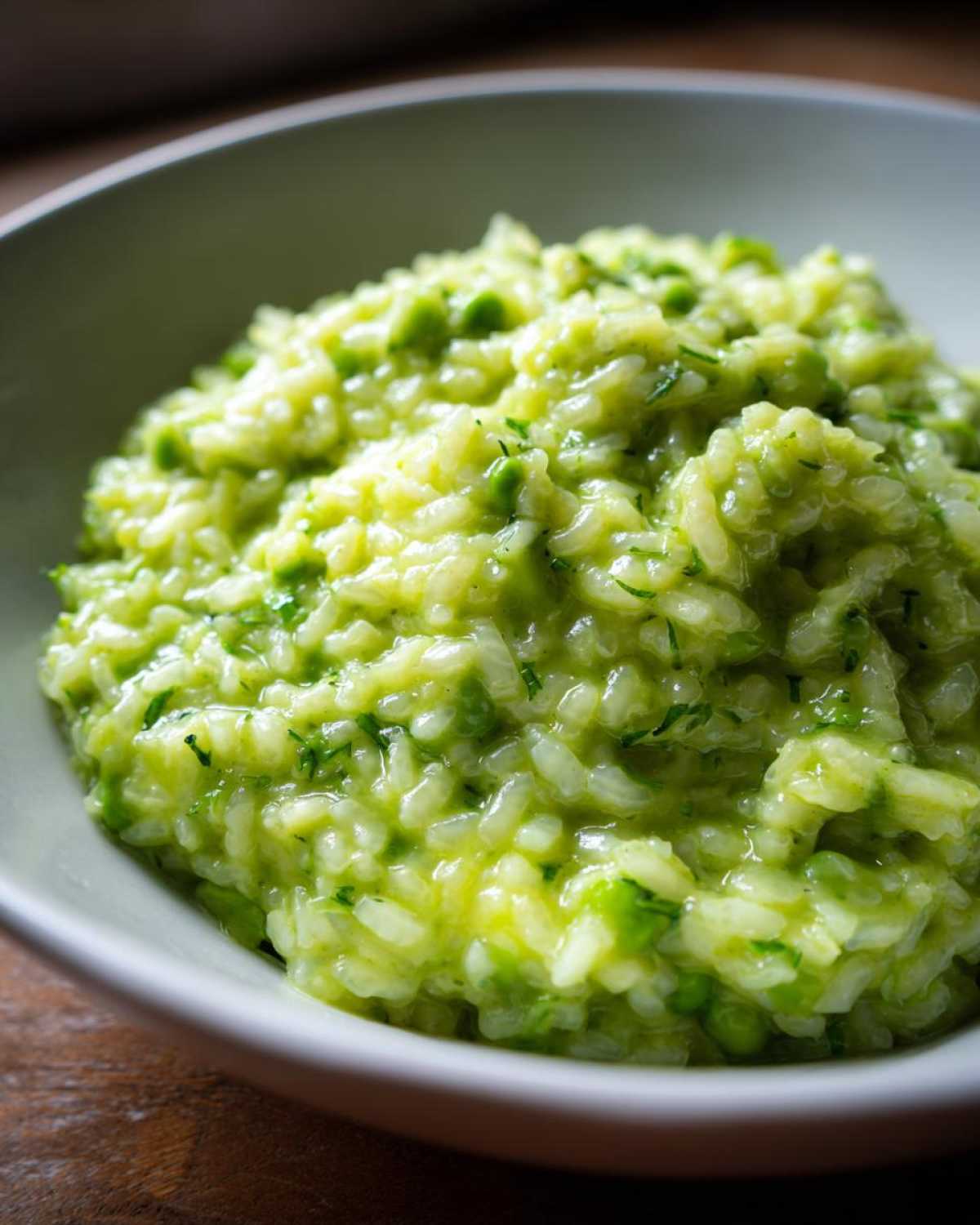
Spring Pea and Mint Risotto
A recipe for creamy, homemade risotto featuring fresh spring peas and bright mint, using the classic Italian technique.
- Prep Time: 10 min
- Cook Time: 30 min
- Total Time: 40 min
- Yield: 4 servings
- Category: Main Course
- Method: Stovetop
- Cuisine: Italian
- Diet: Vegetarian
Ingredients
- 1 tablespoon olive oil
- 1 tablespoon unsalted butter
- 1 small yellow onion, finely chopped
- 1 1/2 cups Arborio or Carnaroli rice
- 1/2 cup dry white wine
- 5 cups hot vegetable or chicken stock
- 1 cup fresh or frozen spring peas, shelled
- 1/2 cup grated Parmesan cheese, plus more for serving
- 2 tablespoons fresh mint leaves, chopped
- 1 tablespoon unsalted butter, cold
- Salt and black pepper to taste
Instructions
- Heat the olive oil and 1 tablespoon of butter in a large, heavy-bottomed pot or Dutch oven over medium heat. Add the chopped onion and cook until soft and translucent, about 5 minutes. Do not brown.
- Add the rice to the pot. Stir constantly for 2 minutes until the edges of the grains look translucent. This is called toasting the rice.
- Pour in the white wine. Stir until the wine is completely absorbed.
- Add one ladleful (about 1 cup) of the hot stock to the rice. Stir continuously until the liquid is almost fully absorbed. The constant stirring releases the starch, creating creaminess.
- Continue adding the stock, one ladleful at a time, waiting until each addition is absorbed before adding the next. This process takes about 15 to 18 minutes.
- When the rice is nearly done (al dente, slightly firm in the center), add the peas. Continue stirring and adding stock until the rice is cooked through and creamy, about 3 to 5 more minutes.
- Remove the pot from the heat. Stir in the grated Parmesan cheese and the final 1 tablespoon of cold butter. This step is called mantecatura. Stir vigorously until the risotto is smooth and creamy.
- Stir in the chopped fresh mint. Season with salt and pepper to your taste.
- Serve immediately in warm bowls, topped with extra Parmesan cheese if desired.
Notes
- Use hot stock throughout the cooking process to maintain the temperature of the rice.
- For a smoother texture, you can briefly puree half of the peas with a little stock before adding them to the risotto.
- Carnaroli rice often yields a slightly better texture than Arborio, but Arborio works well for beginners.
- If you prefer a tangier flavor, substitute Pecorino Romano cheese for half of the Parmesan.
Nutrition
- Serving Size: 1 serving
- Calories: 450
- Sugar: 5
- Sodium: 550
- Fat: 15
- Saturated Fat: 8
- Unsaturated Fat: 7
- Trans Fat: 0
- Carbohydrates: 65
- Fiber: 4
- Protein: 18
- Cholesterol: 35