

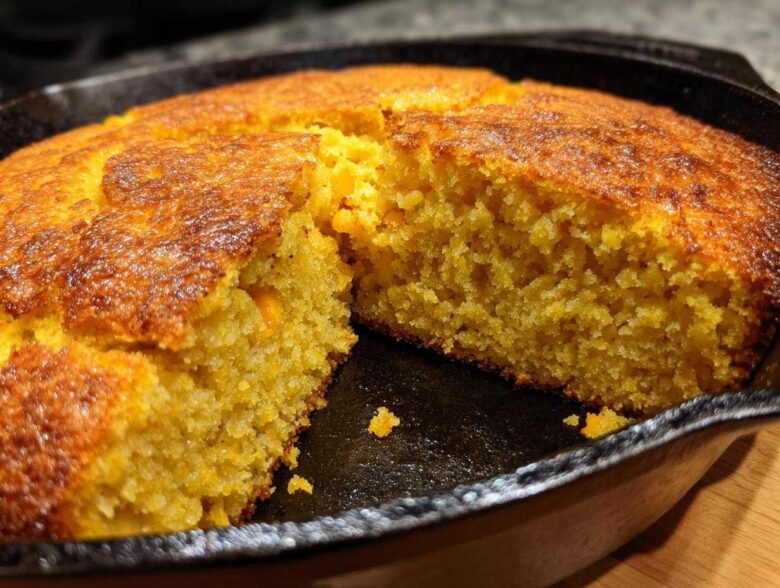
You know those meals where the star attraction is the BBQ pulled pork or the big pot of chili? Well, I’m here to tell you that the *real* star, the unsung hero of the plate, is the side dish, and nothing beats a truly perfect slice of cornbread. I spent way too many years eating dry, crumbly triangles that tasted like sadness. No more! Through trial and (many, many) error, I figured out the secret to achieving that absolute dream texture: a miraculously moist cornbread recipe with those glorious, crunchy, golden edges you only get from a cast iron skillet. If you loved the idea of a savory-sweet option, you absolutely have to check out my recipe for maple bacon cornbread, but for now, trust me, this Ultimate Southern Skillet Cornbread will change the way you think about this classic. It’s the one I rely on for every Thanksgiving and backyard cookout.
Why This Ultimate Southern Skillet Cornbread Recipe Works
I know, I know, everyone claims they have the *best* recipe, but this one is special because it solves all the main problems people have when making homemade cornbread. We are hitting all the marks you want to see when you sit down for a hearty meal.
Here’s exactly what you get out of this specific method:
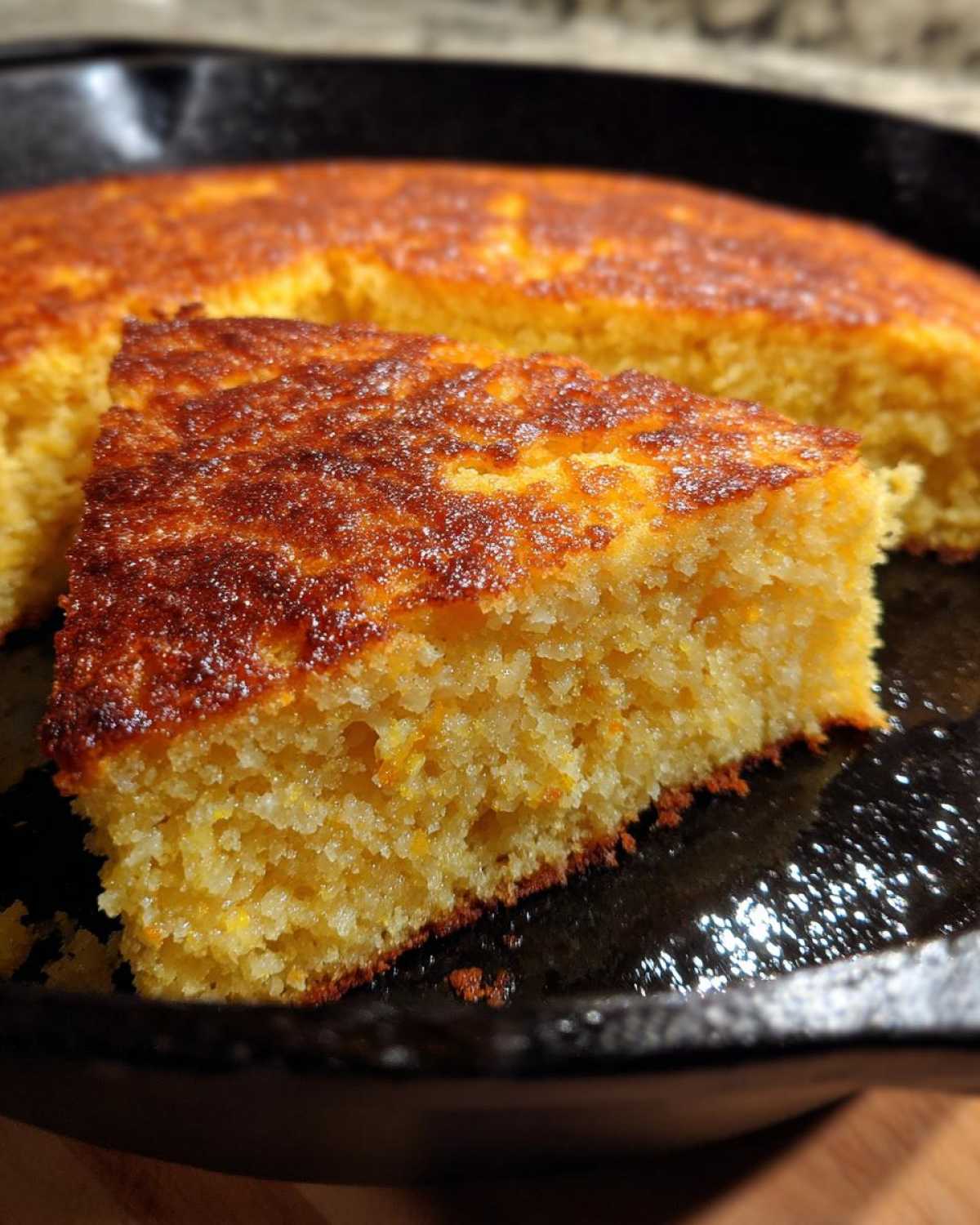
- Incredibly Moist Texture: Thanks to the buttermilk and real oil mixed in, this cornbread stays far from crumbly. It’s soft right through the middle.
- Perfect Crispy Edge Cornbread: We use the hot cast iron skillet method. Trust me, the oil has to be sizzling hot before that batter hits the pan! It creates a crust you can’t beat.
- Easy Cornbread Success: It’s truly a quick bread recipe, mixing up in about ten minutes flat. It’s practically a one-bowl cornbread situation before the final pour.
- Classic Southern Cornbread Flavor: We strike that perfect balance between savory and slightly sweet, giving you that comforting, buttery cornbread flavor that just screams comfort food.
Ingredients for the Best Moist Cornbread Recipe
Getting that perfectly moist cornbread recipe is all about starting with the right foundational ingredients. Don’t just eyeball quantities here; this is where the magic starts for that tender crumb bread! Luckily, these ingredients are mostly pantry staples, though the buttermilk plays a huge role in keeping things light and tangy.
You’ll need these things ready to go before you even start mixing:
- 1 1/2 cups yellow cornmeal (the good stuff!)
- 1 cup all-purpose flour
- 1/4 cup granulated sugar (We’ll talk about bumping this up or down later, but this is the sweet spot for me.)
- 1 tablespoon baking powder
- 1/2 teaspoon baking soda
- 1/2 teaspoon salt
- 1 cup buttermilk (This is crucial! It reacts with the baking soda to give you great lift and moisture. If you’re short, check out my trick in the next section!)
- 1/2 cup vegetable oil, plus 2 extra tablespoons for the hot pan
- 2 large eggs, lightly beaten
- 1/2 cup shredded sharp cheddar cheese (This is totally optional, but honestly, who can resist a little sharp cheese in their buttermilk cornbread? Fold it in at the very end if you decide to go for it.)
If you want to dive deeper into perfecting buttermilk versions specifically, make sure you read my dedicated post on buttermilk cornbread recipes. But for this skillet version, having that 10-inch cast iron skillet ready is just as important as measuring the cornmeal correctly!
How to Prepare Fluffy Cornbread with Crispy Edges
Okay, this is the part where we turn simple ingredients into a stellar cast iron skillet cornbread. The instructions look straightforward, but the timing is everything, especially the heat management. If you follow these steps exactly, you’ll get that perfect golden crust around the edges while keeping the inside beautifully soft, guaranteeing a tender crumb bread every single time. Remember, this isn’t just baking; it’s a little bit of stovetop mastery before it hits the oven!
Preheating the Cast Iron Skillet for Cornbread
The single most important thing you have to do for crispy edges is preheat that skillet. I mean *really* preheat it! Set your oven to 400°F (200°C) and immediately pop that 10-inch cast iron skillet right inside while it heats up. We want the pan screaming hot when the batter goes in. If you skip this, you are missing out on the main event—that amazing sizzle. If you are looking for more tips on mastering the cast iron skillet cornbread technique, I have a whole guide dedicated to it! When the oven is ready, be super careful when you take that skillet out; it will be hot enough to brand a steer!
Mixing the Cornbread Batter Gently
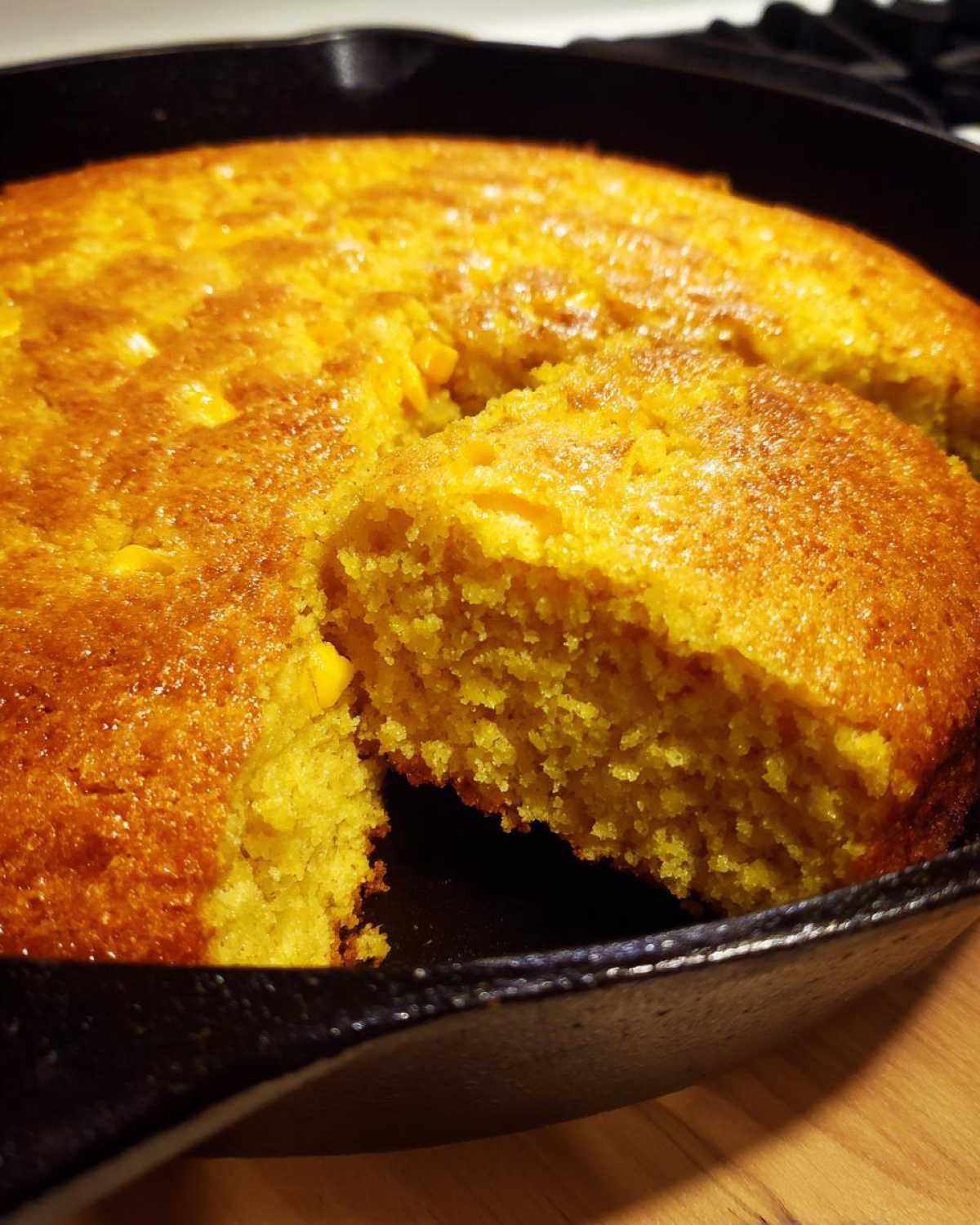
Next up, we mix. Keep your dry stuff (cornmeal, flour, sugar, leaveners, salt) in one bowl and your wet stuff (buttermilk, oil, eggs) in another. Whisk them separately until they look combined. Now, here’s the pro tip for that fluffy cornbread texture: pour the wet into the dry and mix it just until they are *barely* incorporated. I mean it—stop mixing when you still see a few streaks of dry flour in there. Overmixing develops the gluten in the flour, and that turns your beautiful cornbread into a tough brick. Lumps are your friend here; they promise a light result.
Once you’ve folded in any optional cheese, it’s time to use that hot skillet. Carefully remove the skillet from the oven, add those last two tablespoons of vegetable oil, and swirl it around really fast. That oil needs to coat the bottom and sides immediately. When you pour your batter in, you should hear a loud, satisfying *sizzle*. That sound is the sound of success! Pour it in quickly, slide it straight back into the 400°F oven, and bake it for about 20 to 25 minutes. It’s fantastic served warm with my recipe for easy homemade BBQ sauce slathered on top!
Ingredient Notes and Substitutions for Classic Cornbread
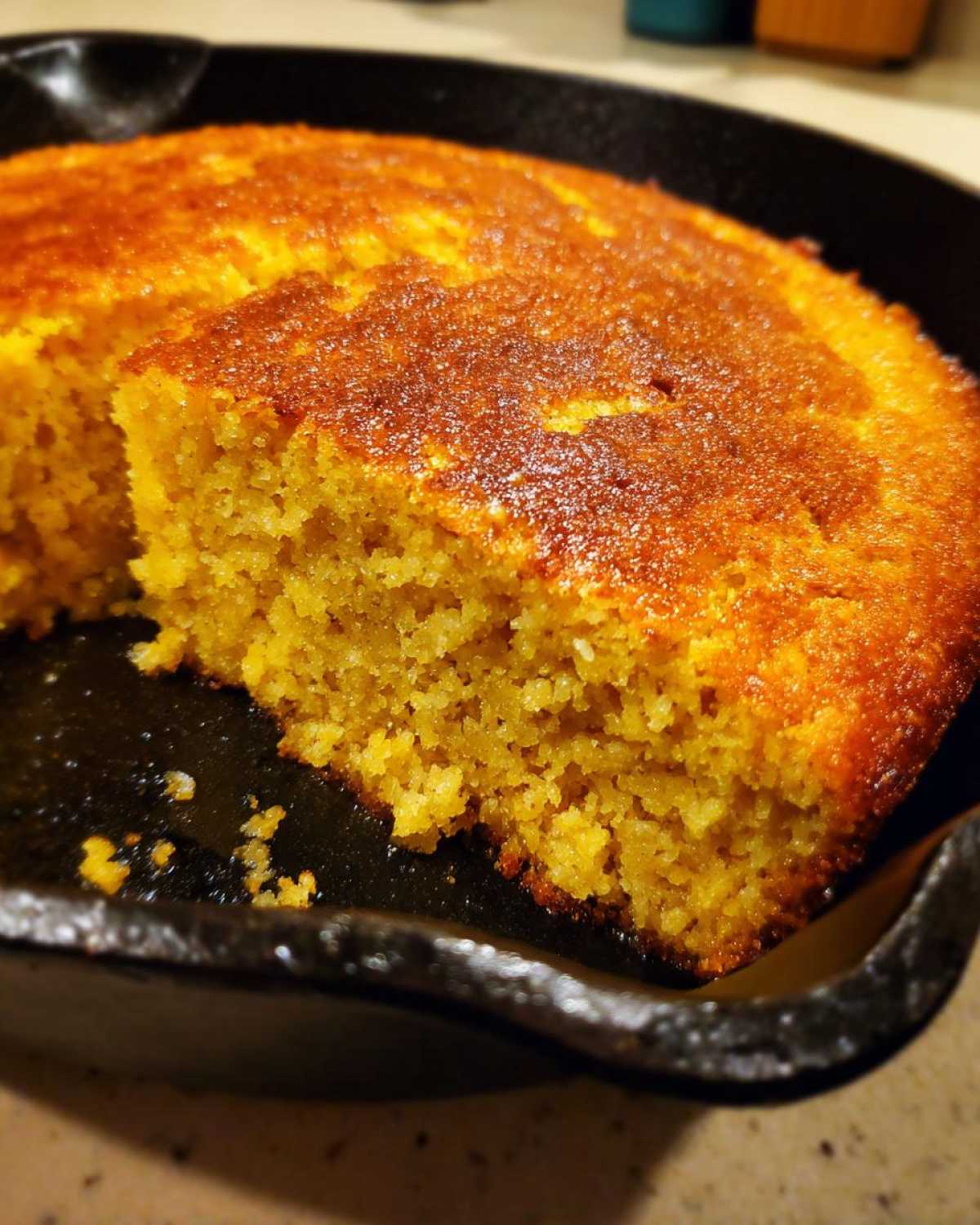
One thing I learned messing around with old fashioned corn bread recipes is that sometimes you don’t have exactly what the recipe calls for, and that’s okay! Baking is flexible, and knowing how to pivot makes you a better cook. This section is all about making sure you can still pull off fantastic homemade cornbread even if the pantry looks a little bare.
Let’s talk buttermilk first. If you don’t have that gorgeous full cup, don’t run to the store! You can make a perfect substitute right now. Just take 1 cup of regular whole milk—or even 2% works—and stir in one tablespoon of white vinegar or fresh lemon juice. Let that sit on the counter for about five minutes, and you’ll see it curdle slightly. That is your instant buttermilk replacement, ready to react with the soda and give you that lift in your buttermilk cornbread.
Next up is the flavor profile regarding sweetness. This recipe lands right in the middle, but you can totally guide it! If you are like my Alabama cousins who love sweet cornbread that borders on cake, go nuts and bump that granulated sugar up to 1/3 cup. However, if you’re aiming for a truly savory cornbread for dipping into chili or pairing with smoked meats, cut that sugar way back—maybe just one tablespoon. It’s your bread, so make it taste how you want it to taste!
Tips for Perfect Homemade Cornbread Every Time
We’ve mastered the skillet heat and the mixing method, but since this is all about from scratch baking, having a few other little tricks up your sleeve ensures perfection every time you pull out that golden loaf. Seriously, small steps make a huge difference!
Here are my go-to rules for consistently amazing results:
- Make sure your leavening agents are fresh! Baking powder and baking soda lose their power over time. If you’re not sure how old yours are, test a tiny bit in some warm water—if it doesn’t bubble right away, toss it and grab new ones. It stops your fluffy cornbread from falling flat.
- Don’t rely just on the toothpick test for this skillet baked bread. If the center comes out clean, check the sides. The edges should clearly start pulling away from the hot cast iron pan slightly; that’s your visual cue that it’s done baking through.
- Always measure your cornmeal and flour using the dip-and-scrape method, not scooping straight from the bag. Scooping packs the flour in, and you end up with way too much dry ingredient, leading to a drier final product. This is key for that from scratch baking success!
Serving Suggestions for Your Buttery Cornbread
Now that you have this gorgeous, steaming hot, buttery cornbread fresh from the skillet, the real fun begins: eating it! This bread is so incredibly versatile, though honestly, just slicing it and slathering it with a thick swipe of salted butter is perfection. If you let it cool slightly, a drizzle of honey turns it into a truly wonderful honey cornbread experience.
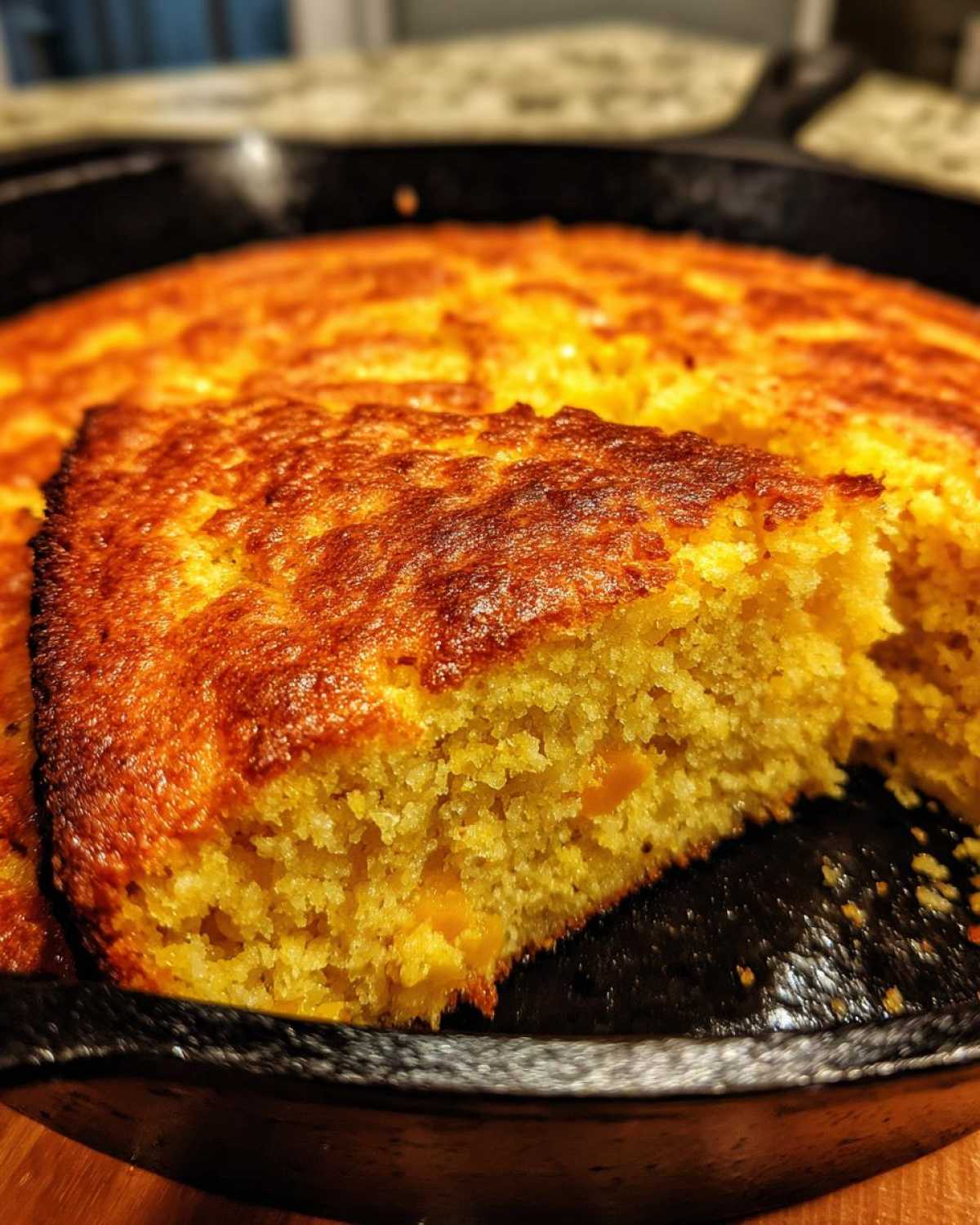
But let’s talk about making it part of a bigger meal. This recipe excels as a hearty side dish for chili—it’s perfect for scooping up every last bit from the bowl. If you’re looking for a great main to go with it, check out my recipe for pumpkin chili one pot creamy turkey recipe! It’s also mandatory when you’re serving up pulled pork or brisket; in fact, it’s a favorite among my collection of BBQ side recipes. A nice, slightly sweet slice balances out savory, smoky flavors perfectly. Trust me, you’ll want to make a double batch!
Storage and Reheating Instructions for Leftover Cornbread
I really hope you don’t have leftovers, because this cornbread disappears fast! But in the rare case you do, storing it is simple. Leaving it right on the counter, covered loosely with foil or plastic wrap, keeps it soft for two to three days. If you need longer, pop it in the fridge. To bring back that crispy edge magic? You have to use the oven! Never use the microwave first. Pop the slice onto a baking sheet for about five minutes at 350°F. That heat gets the moisture back in the middle while crisping up that beautifully baked crust again!
Frequently Asked Questions About Skillet Cornbread
I get so many messages asking about tweaking this recipe, especially from folks trying to recreate that perfect texture they remember from restaurants! Don’t worry, we can troubleshoot almost anything. Understanding the ‘why’ behind the recipe helps you conquer any batch of homemade cornbread.
Can I make this cornbread without buttermilk?
Oh, absolutely! I covered it briefly, but if you’re in a pinch, look for where I mentioned the milk and vinegar trick above. If you don’t have buttermilk, just measure out 1 cup of regular milk—whole milk is best if you have it—and stir in 1 tablespoon of white vinegar or lemon juice. Let that sit on the counter for about five full minutes. It will thicken up and curdle a teeny bit. That’s your perfect substitute ready to go! It helps keep this a moist cornbread recipe even without the store-bought stuff.
How do I ensure my cornbread is moist, not dry?
This is the big one everyone asks about! To guarantee you get that wonderful, tender crumb bread instead of something dry, you have three main anchors: First, you must use the buttermilk; it adds acid and moisture. Second, don’t cheap out on the oil content we added to the batter and the pan! Fat equals moisture insurance. And third, and this is critical, stop stirring the second the dry ingredients disappear. If you overmix, you get tough gluten strands, which = dryness. Keep it light and lumpy!
Is this recipe for Sweet Cornbread or Savory Cornbread?
That’s the best thing about this particular method—it’s designed to be adaptable! As written, with the 1/4 cup of sugar, it lands perfectly in the middle. I call it ‘Perfectly Balanced Cornbread.’ However, if you are making this as a side for a rich, smoky BBQ dinner, you might prefer less sugar for a more savory cornbread profile—just drop it to one tablespoon. If you’re serving it solo or want a touch of sweetness, pushing the sugar up to 1/3 cup gets you closer to that sweet cornbread style. You’re the boss of the sugar!
Nutritional Estimates for This Cornbread
Look, I’m a cook, not a nutritionist, and I think we can all agree that when you’re sitting down to a big bowl of chili or a plate of ribs, you aren’t reaching for the fork because you’re worried about the saturated fat content! But since I want you to trust me completely with your baking recipes, I have to give you the standard disclaimer here.
The nutritional data you see floating around for this cornbread recipe—the calories, the sugar counts, all that stuff—is just an estimate based on general ingredient averages. Trust me, if you use a fancy, high-fat mayo instead of vegetable oil, or if you go heavy on the optional cheddar cheese, those numbers are going to shift!
So, please take these figures as a general guideline only. If you are tracking macros strictly, you’ll want to input your exact brands and measurements into your favorite tracking app. My main goal with this recipe is delivering the best cornbread ever in terms of texture and taste, and I’m happy to report we nail that every single time!
PrintUltimate Southern Skillet Cornbread
Make moist, fluffy cornbread with perfectly crispy edges using a cast iron skillet. This recipe delivers a classic Southern flavor.
- Prep Time: 10 min
- Cook Time: 25 min
- Total Time: 35 min
- Yield: 8 servings
- Category: Side Dish
- Method: Baking
- Cuisine: American Southern
- Diet: Vegetarian
Ingredients
- 1 1/2 cups yellow cornmeal
- 1 cup all-purpose flour
- 1/4 cup granulated sugar (adjust for sweetness preference)
- 1 tablespoon baking powder
- 1/2 teaspoon baking soda
- 1/2 teaspoon salt
- 1 cup buttermilk
- 1/2 cup vegetable oil, plus 2 tablespoons for the skillet
- 2 large eggs, lightly beaten
- 1/2 cup shredded sharp cheddar cheese (optional)
Instructions
- Preheat your oven to 400°F (200°C). Place a 10-inch cast iron skillet in the oven while it preheats.
- In a large bowl, whisk together the cornmeal, flour, sugar, baking powder, baking soda, and salt.
- In a separate bowl, whisk together the buttermilk, 1/2 cup of vegetable oil, and eggs until combined.
- Pour the wet ingredients into the dry ingredients. Mix gently until just combined. Do not overmix; a few lumps are fine. If using cheese, fold it in now.
- Carefully remove the hot skillet from the oven. Add the remaining 2 tablespoons of vegetable oil to the hot skillet and swirl to coat the bottom and sides completely. The oil should shimmer.
- Immediately pour the batter into the hot, oiled skillet. The batter should sizzle when it hits the pan, which creates the crispy edge.
- Bake for 20 to 25 minutes, or until the top is golden brown and a toothpick inserted into the center comes out clean.
- Let the cornbread cool in the skillet for 5 minutes before slicing and serving directly from the skillet.
Notes
- For a sweeter cornbread, increase the sugar to 1/3 cup. For a more savory Southern style, reduce the sugar to 1 tablespoon.
- If you do not have buttermilk, mix 1 cup of regular milk with 1 tablespoon of white vinegar or lemon juice and let it sit for 5 minutes before using.
- For extra moisture, add 1/2 cup of drained canned corn kernels to the batter.
Nutrition
- Serving Size: 1 wedge
- Calories: 280
- Sugar: 7
- Sodium: 350
- Fat: 15
- Saturated Fat: 3
- Unsaturated Fat: 12
- Trans Fat: 0
- Carbohydrates: 32
- Fiber: 2
- Protein: 6
- Cholesterol: 55