

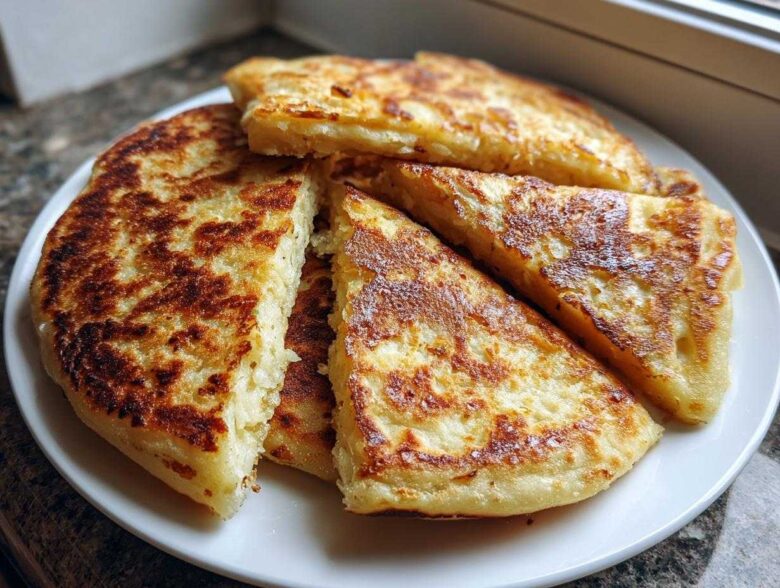
Oh, if you want true comfort food, nothing beats something warm cooked right on the stovetop. Forget fancy pastries; we are talking about real, rustic food that sticks to your ribs! I’m absolutely obsessed with making perfect irish potato farls, those beautiful little griddle cakes that are the heart of any proper Full Irish Breakfast. Honestly, they are so simple, I feel silly keeping them to myself. Since starting this blog, I’ve realized that sharing the best family recipes—like this incredibly easy potato farls tutorial—is my favorite part of cooking. Trust me, once you try these, you’ll never go back to store-bought!
We’re talking about simple ingredients coming together in literally minutes. You can find out more about my mission here, but today, let’s get cooking! This recipe proves that sometimes the best things in life are those that require just a little elbow grease and a hot pan.
Why This is the Best Irish Potato Farls Recipe You Will Make
I’m not exaggerating when I say this is the recipe that finally clicked for me. So many other versions felt too dry or too fussy. But these irish potato farls? They nail that rustic, comforting feeling every single time. They are fast, authentic, and honestly make any breakfast feel special!
- Seriously fast prep time—you can have these dough shaped before your kettle even whistles.
- They achieve that perfect fluffy-on-the-inside, beautifully crisp exterior we all want.
- It uses just a handful of basic pantry staples, making it an easy go-to side dish.
Quick Prep Time for Homemade Farls
Seriously, look at the timing: ten minutes of mixing and shaping! That’s barely any time at all. If you usually skip making bread because it feels like a commitment, these aren’t like that. They fit right in with whipping up some eggs, making them one of the fastest Quick Bread Recipes you’ll ever try.
Achieving Buttery Potato Griddle Cakes Texture
The key here is the butter mixed right into the cold potato. When these hit the hot griddle, they transform! You get these gorgeously golden-brown, savory Buttery Potato Griddle Cakes that are tender inside. That slight crust you get from cooking on the dry pan is what makes them so addictive right out of the skillet.
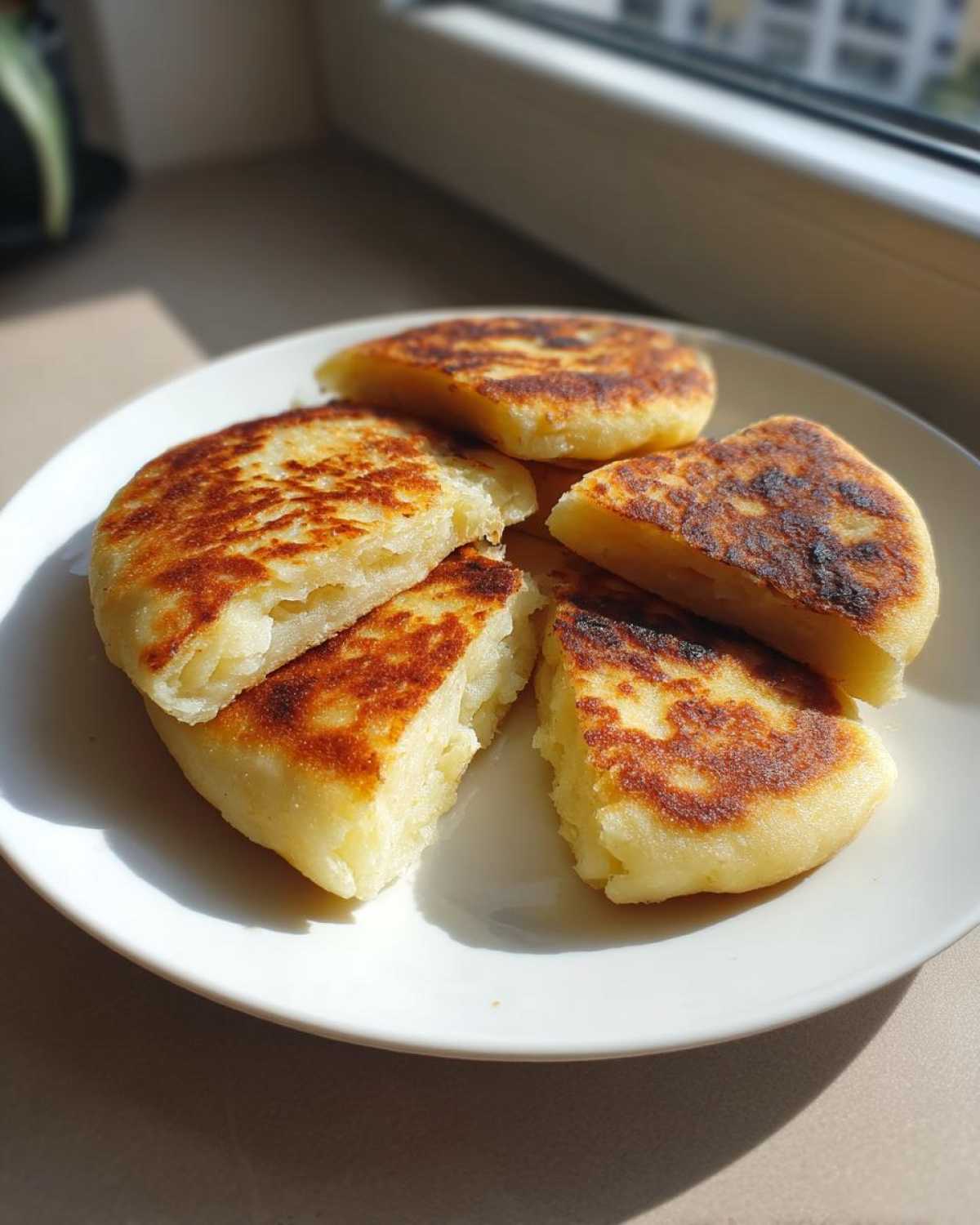
Essential Ingredients for Authentic Irish Potato Farls
Okay, let’s talk ingredients, because this is where the magic—and the authenticity—starts. The list is beautifully short, which is what I love about these irish potato farls. You don’t need a complicated pantry for this!
You absolutely must start with potatoes that are already mashed, and here is the crucial part: they need to be cold. I mean fridge-cold! We are mixing these up quickly, so letting that starch firm up in the cold helps them hold their shape when you get to the griddle.
You’ll need:
- Two cups of those cold, leftover mashed potatoes.
- Four tablespoons of unsalted butter, melted down until it’s liquid gold.
- One teaspoon of salt (don’t skip this; it brings out the potato flavor!).
- And about one cup of plain old all-purpose flour for bringing it all together.
Ingredient Notes and Substitutions for Potato Farls
This is the area where people often go wrong when trying to make a Simple 3 Ingredient Potato Recipe variation! The mashed potatoes you use cannot have milk, cream, or butter already mixed in. If you use creamy, buttery mash, the dough will be too wet and sticky to handle correctly. That cold, plain starch is necessary to absorb the added melted butter!
If you are in a pinch and absolutely cannot find all-purpose flour, you could try using a plain bread flour, but honestly, stick to the AP flour if you can. It provides the right softness for that tender inside layer. Making sure those potatoes are plain is the real trick to this Irish Potato Bread Recipe success!
How to Make Potato Farls: The Easy Potato Farls Tutorial
Making the dough for your irish potato farls is honestly like making playdough—it’s satisfying and super quick. Remember, we are aiming for rustic, not perfectly smooth like a pastry. So relax a little bit and let’s get these mixed up!
First, take those cold potatoes you prepared and pop them into your big mixing bowl. Next, pour in that melted butter and sprinkle in your salt. Stir it all up gently. You want the butter coating the potato bits, but don’t worry if it looks a little clumpy right now. That’s fine!
Now, slowly start adding your flour. I usually use a big fork at first, then switch to my hands once it starts looking shaggy. Mix it just until the flour disappears and everything comes together into a soft mass. That’s it! We are done mixing.
Mixing the Dough for Perfect Irish Potato Farls
Listen to me: Do not, under any circumstances, overmix this dough! That’s rule number one when we are making any kind of bread or cake. Overmixing develops the gluten in the flour, and instead of light, tender farls, you’ll get tough little rubber discs. When it just starts to come together, stop stirring immediately. You should see faint streaks of flour still visible—that’s your sign to move quickly to the next step.
Once you’ve stopped mixing, turn the shaggy dough out onto your counter that you dusted heavily with flour. You only need to give it about five or six quick kneads, just enough to help the dough cohere into a unified ball. Think of it as patting it into shape, not attacking it!
Shaping and Cutting Your Homemade Farls Recipe
Now for the fun part when crafting your Homemade Farls Recipe: shaping! Take that dough ball and flatten it out right on the flour. You want a nice, thick disc—aim for about one inch high. Don’t squash it thin; we need that loft for cooking!
Once you have your thick potato disc, grab a sharp knife and cut it just like you’d cut a pie—into four equal wedges. These wedges are your beautiful, traditional farls, ready for the griddle! If you wanted circles instead, you could use a round cutter, but I find the wedges cook most evenly and have the best crispy edges.
Griddling Your Irish Potato Farls to Golden Perfection
We’ve done the mixing, now it’s time for the sizzle! This is where those simple dough wedges turn into the perfect irish potato farls. The trick here is patience—don’t crank the heat up too high! You want to gently coax them to a beautiful golden brown, not blast them into charcoal.
Get your griddle or your heaviest frying pan screaming hot over medium heat. And I mean *dry*! We don’t need any oil or butter in the pan for this part, remember we already loaded the dough up with fat. Once the pan is warm, gently lay your wedges down. Cook them for about five to seven minutes on the first side.
Flip them carefully—you’ll see that rich, beautiful color. Then, cook the other side for another five to seven minutes until they are cooked right through. They should smell amazing, like savory, buttery bread!
Tips for Pan Fried Potato Cakes Browning
How do you know they are done without cutting one open? Well, besides seeing that deep golden color, test the thickness. If you gently press the center of the farl with a spatula, you shouldn’t feel any soft, uncooked dough squishing back at you. They should feel mostly firm all the way across, just slightly yielding.
If you find the outside is browning too fast, take the pan off the direct heat for about 30 seconds between flips! This lets the inside steam gently while preventing the surface from burning. Perfect Pan Fried Potato Cakes mean gorgeous color on the outside and that soft, fluffy center when you break them open!
Serving Suggestions for Traditional Irish Breakfast Recipe
So you have these gorgeous, hot irish potato farls ready to go. What do you eat them with? Well, in Ireland, that’s easy—they are essential for a full spread! You absolutely have to serve these alongside the staples of a proper Traditional Irish Breakfast Recipe. That means fried eggs, crispy bacon rashers, and if you’re being truly authentic, some black pudding and white pudding too. They soak up the yolks beautifully, honestly!
But they are just as wonderful in their simplest form. A thick slab of cold Irish butter melting right into the hot potato cake is heavenly, or even a little bit of sweet raspberry jam cuts through the savoriness perfectly. They are so versatile!
Pairing Farls with Other Irish Side Dishes
Think of your farls as the bread component of your plate. They work wonderfully in place of toast, especially when you’re serving up stew or a thick soup later in the day. They are a fantastic vehicle for scooping up gravy, too, when served alongside roast dinners.
These savory beauties are some of the best Irish Side Dishes you can make because they are hearty and quick. They elevate anything they sit next to, whether it’s beans, roasted tomatoes, or even just enjoying one plain on your coffee break!
Storage and Reheating Instructions for Potato Farls
Now, while these irish potato farls are truly best hot off the griddle, sometimes you make a big batch, right? Good news: they keep well! You can pop any leftovers into an airtight container and keep them snug in the fridge for up to three days. Don’t worry if they feel a little firm after chilling; that’s totally normal.
When it comes time to reheat them, please, please skip the microwave if you can! Microwaving turns them disappointingly soft and chewy. The best way to bring them back to life is right back on that dry, medium-hot pan. Give them about three minutes per side until they are piping hot and that gentle, buttery crust returns. It makes them taste freshly made!
Frequently Asked Questions About Irish Potato Farls
I know when you’re trying a new bread recipe, especially one as traditional as this, you usually have a few niggling questions. That’s fair, because getting the texture right on these irish potato farls is important! I’ve tried to collect the ones I get asked the most after people attempt their first batch of these simple potato cakes.
If you have questions after trying the recipe, please check out my general site disclaimer right here, otherwise, let’s clear up any last doubts!
Can I use instant mashed potatoes for this recipe?
Oh, boy, this is a big one! While you technically *can* use instant flakes mixed up with just water, I really, really advise against it. Instant potatoes absorb liquid differently than real mashed potatoes, and they tend to create a much tougher, bread-like texture instead of the tender, fluffy interior we want in our farls. Leftover mashed potatoes are king here because they already have the right density and moisture balance, even when cold.
What is the difference between a farl and a potato cake?
That’s a great question defining Northern Irish Food Staples! Generally, a potato cake is a broader term used everywhere, but a ‘farl’ specifically refers to the quarter-wedge shape that tradition dictates, especially in the North of Ireland. Potato cakes can be cut into rounds or squares too. If you cut them into rounds, some people might call them ‘tattie scones’ or just potato cakes, but if you use my recipe and cut them into those four wedges, you’ve nailed an authentic farl!
Estimated Nutritional Data for Buttery Potato Griddle Cakes
I always get asked about the nutrition facts, especially since these are such a classic comfort food! So, here is the approximate breakdown for one of these beautiful Buttery Potato Griddle Cakes, based on the recipe ingredients we used:
- Calories: Around 250 per farl
- Fat: About 10 grams
- Carbohydrates: Roughly 38 grams
- Protein: Near 5 grams
Now, remember this is just an estimate for one wedge. The actual totals can shift depending on the specific type of potatoes you start with! For more legal details on how I calculate this info, you can check out my privacy policy here. Enjoy these savory treats!
Share Your Rustic Irish Cuisine Creations
Whew! That’s it—you’ve made the most wonderfully simple, rustic irish potato farls. I really hope you loved the process as much as I do. Now it’s your turn to tell me all about it!
Did you serve them with black pudding, or did you go the sweet route with jam? I need to know where your farls landed on the breakfast plate!
Please leave a rating below so I know how this traditional recipe worked for you and your family. If you had any little oopsies or fantastic successes while making these Pan Fried Potato Cakes, drop all the details in the comments. I read every single one!
And if you snapped a picture of your golden-brown beauties, please tag me on social media! I love seeing your takes on Rustic Irish Cuisine. Don’t forget you can always reach out to me directly if you have more questions about making these flaky, wonderful griddle breads!
PrintAuthentic and Easy Irish Potato Farls
Make traditional Irish Potato Farls, a simple, buttery griddle bread perfect for breakfast or as a side dish.
- Prep Time: 10 min
- Cook Time: 15 min
- Total Time: 25 min
- Yield: 4 servings
- Category: Breakfast
- Method: Griddling
- Cuisine: Irish
- Diet: Vegetarian
Ingredients
- 2 cups cold mashed potatoes (plain, no milk or butter added)
- 4 tablespoons unsalted butter, melted
- 1 teaspoon salt
- 1 cup all-purpose flour, plus extra for dusting
Instructions
- Place the cold mashed potatoes in a large bowl.
- Add the melted butter and salt to the potatoes. Mix them together until just combined.
- Gradually add the flour, mixing with a fork or your hands until a soft dough forms. Do not overmix.
- Turn the dough out onto a lightly floured surface. Knead briefly, about 5 to 6 turns, just until the dough comes together smoothly.
- Shape the dough into a ball, then flatten it into a thick disc, about 1 inch high.
- Cut the disc into 4 equal wedges, like cutting a pie. These are your farls.
- Heat a dry griddle or heavy-bottomed frying pan over medium heat.
- Place the farls on the hot griddle. Cook for 5 to 7 minutes on each side, until they are golden brown and heated through.
- Serve immediately with butter, jam, or as part of a full Irish breakfast.
Notes
- Use leftover mashed potatoes for the best texture. The potatoes must be cold.
- If the dough seems too sticky, add flour one tablespoon at a time until it is manageable.
- You can cut the farls into rounds instead of wedges if you prefer a different shape.
Nutrition
- Serving Size: 1 farl
- Calories: 250
- Sugar: 0.5
- Sodium: 350
- Fat: 10
- Saturated Fat: 6
- Unsaturated Fat: 4
- Trans Fat: 0
- Carbohydrates: 38
- Fiber: 2
- Protein: 5
- Cholesterol: 25