

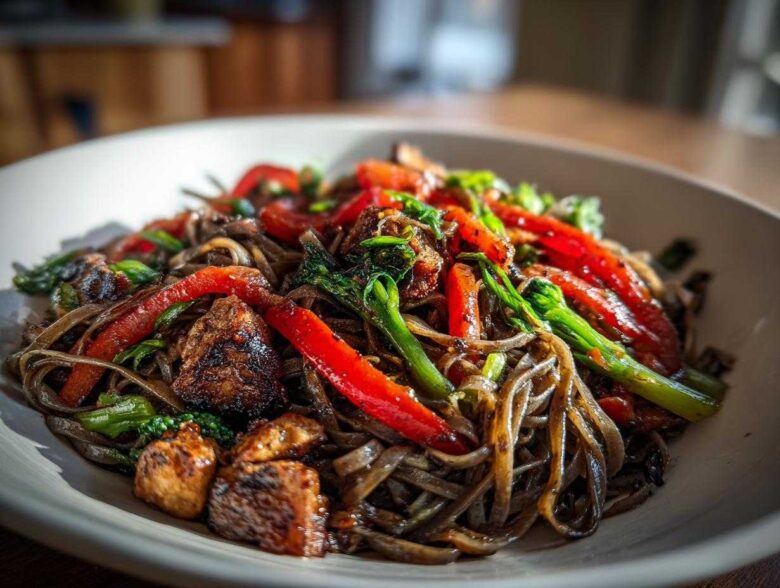
Oh my goodness, are you ever sitting in your kitchen, staring into the abyss, and just dreaming about that incredibly vibrant, spicy, slightly sweet hit you only get from real street food? Me too! That’s why I finally cracked the code on making the absolute best **Thai Drunken Noodles** right here at home. Forget those sad, brown, chewy noodles you get sometimes; this recipe is for intensely flavored Street Style Pad Kee Mao, and trust me, it’s fast—we’re talking less than 30 minutes!
I spent what felt like weeks mastering the technique because the key isn’t just the sauce—it’s getting that smoky char, that ‘wok hei’ flavor, which is so hard to capture on a standard stove. But I finally figured out the right heat level and timing for the wide rice noodles. Once you nail that high-heat stir-fry, you’ll be making Thai takeout better than the restaurants, every single night.
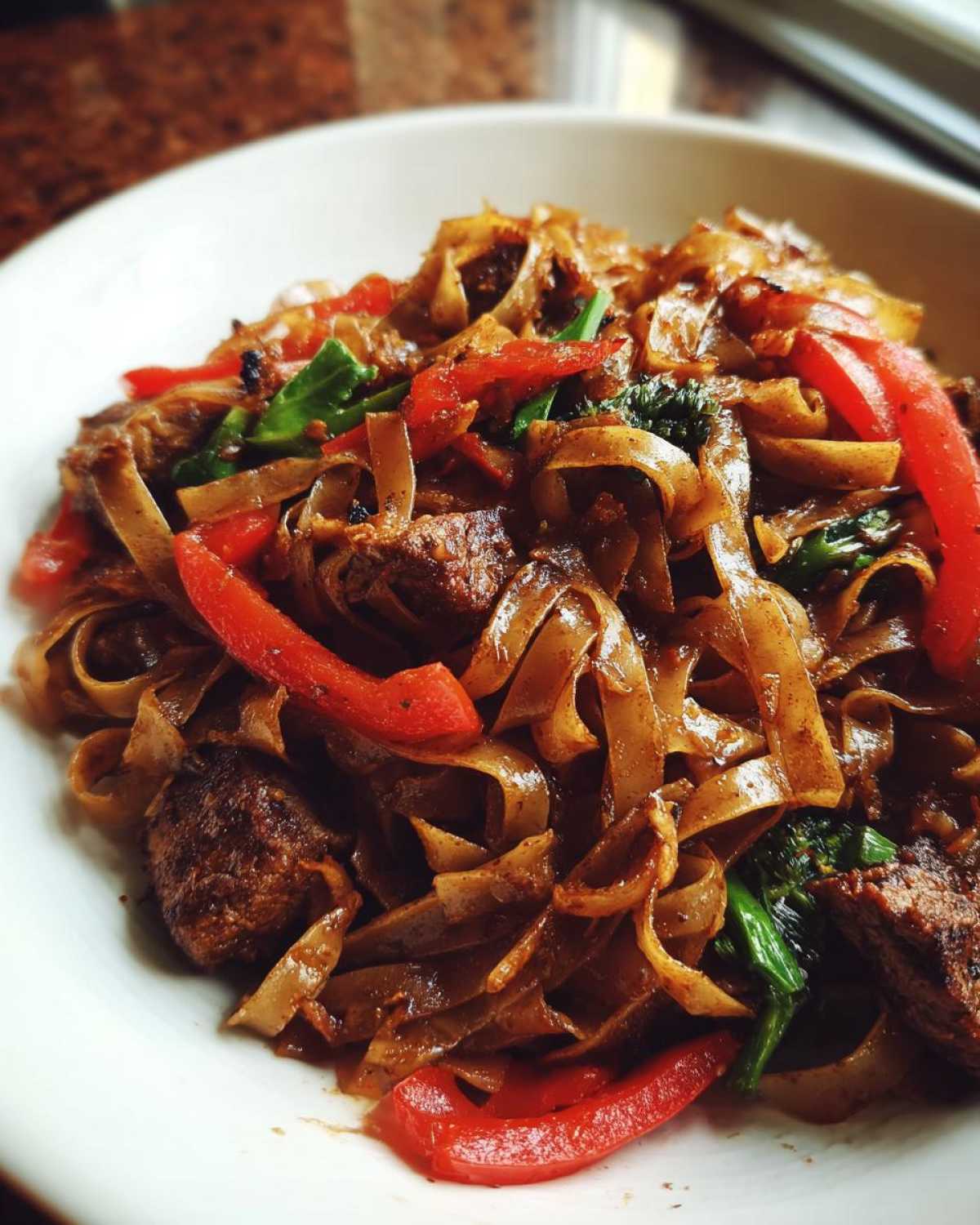
If you’re looking for an incredible, fast Asian noodle dish that packs a serious punch flavor-wise, you absolutely have to try this recipe. If you need a reference for another quick noodle fix while these are cooking, check out my quick pan-fried noodles guide!
Why This Authentic Thai Drunken Noodles Recipe Works
So, why should you trust my recipe for your next Spicy Thai Basil Noodles craving? Because we aren’t messing around with low heat here! This recipe succeeds because it mimics the high temperature environment of a street vendor who has a stove that could probably melt steel. It’s all about texture and immediate flavor delivery.
- We build the flavor in stages, meaning every fantastic ingredient gets its moment in the sun before being tossed together.
- It’s the ultimate quick weeknight Thai dinner when you’re tired of the same old thing.
- The sauce is perfectly balanced—savory, a little sweet, and ready to pack a heat punch!
Achieving Smoky Drunken Noodles Technique (Wok Hei)
Listen up: the secret to that restaurant flavor is the *wok hei*, or the breath of the wok. You need your wok or skillet screaming hot—seriously, almost smoking before anything goes in. If your pan is crowded, you’ll end up steaming the noodles, and steam cooks them soft. We want sizzle, char, and high drama when we make these noodles!
The Best Pad Kee Mao Sauce Recipe Components
The sauce isn’t complicated, but the balance is key to authentic flavor. We use regular soy sauce for salt, oyster sauce for that deep umami savory flavor, and absolutely *must* use dark sweet soy sauce. That dark sauce is what gives your Homemade Pad Kee Mao that beautiful, dark mahogany color you see everywhere. It’s savory, a little sweet, and makes these incredibly flavorful.
Essential Ingredients for Thai Drunken Noodles
Okay, getting the ingredients right is non-negotiable if you want that authentic smack of flavor. Don’t go subbing things out willy-nilly here, especially in the sauce department! I’ve listed everything out clearly below so you can organize your *mise en place* before the wok even gets hot. Remember, this whole cook takes about 15 minutes max once you start, so prep is everything.
You need about a dozen items, but they all play a huge role in making this the best Easy Thai Stir Fry Noodles you’ve ever made. I always lay mine out on a big tray so I can grab them without taking my eyes off the wok heating up!
Protein and Noodle Selection for Pad Kee Mao
Let’s talk noodles first for your **Thai Drunken Noodles recipe**. You want fresh, wide rice noodles—the package might call them Ho Fun or Sen Yai. If you can only find dried ones, you have to soak them until they’re pliable but STILL have a little bite to them, or they will turn to mush when stir-fried. For protein, I love chicken breast cut thin, but flank steak or shrimp work amazingly well too. Make sure whatever you pick is sliced thinly so it cooks almost instantly.
Also, don’t skip the Thai basil! It’s different from Italian basil, and its slightly peppery, anise scent is what defines this dish. We add it right at the very end so it doesn’t totally cook down.
Here is the gear list:
- 1 pound fresh wide rice noodles (Ho Fun or Sen Yai)
- 8 ounces protein (sliced chicken, beef, shrimp, or firm tofu)
- 2 tablespoons vegetable oil
- 4 cloves garlic, minced
- 2-4 Thai chilies, sliced (adjust for heat—I always use the higher end!)
- 1 medium onion, sliced
- 1 red bell pepper, sliced
- 1 cup Chinese broccoli (gai lan) or regular broccoli florets
- 1 cup fresh Thai basil leaves
- 1 large egg, lightly beaten
- 1 tablespoon soy sauce (for marinating protein)
- 1 tablespoon oyster sauce (or vegetarian mushroom sauce if you’re going meatless)
- 1 tablespoon dark sweet soy sauce (for color and sweetness)
- 1 teaspoon fish sauce
- 1 teaspoon sugar
- 1/2 teaspoon white pepper
Step-by-Step Instructions for Your Thai Drunken Noodles
Now for the fun part! Since this is essentially a fifteen-minute cook time, you have to have everything chopped, measured, and ready to go before the heat turns on. Seriously, it moves that fast. If you’re trying to use up some leftover meat, this is a great chance to use that fantastic shredded chicken you might have, or maybe you’re using some of the tips from my quick shredded chicken tacos recipe!
Prepping the Protein and Sauce for Easy Thai Stir Fry Noodles
First things first: get those protein slices ready. Toss your chicken, beef, or shrimp right now with 1 tablespoon of regular soy sauce and let it sit while you mix the powerhouse sauce. This quick marinade adds so much flavor right into the meat.
Next, grab a tiny bowl for your sauce. It’s just four things! Whisk together the oyster sauce (or mushroom sauce if you went vegetarian!), that dark sweet soy sauce that’s going to make the noodles beautiful, the fish sauce for saltiness, the sugar to balance it out, and the white pepper. Mix that well and set it right next to your stove. If your fresh noodles need softening, get them soaking in warm water now, too, according to the package directions.
Mastering the High-Heat Stir-Fry for Smoky Drunken Noodles technique
Time to turn up the heat! Get that wok or your biggest, widest skillet heating up over high heat until you see the very first wisps of smoke. That’s the signal.
Add 1 tablespoon of oil, then immediately throw in your marinated protein. Stir fry this constantly and super fast—only about 60 to 90 seconds—until it’s seared and cooked through. Scoop it out of the wok and set it on a plate; don’t leave it in there or it will overcook!
Toss in the remaining oil, then immediately add your minced garlic and sliced Thai chilies. Stir fry for only about 10 seconds until you can really smell that spicy garlic heaven. Don’t burn it! Next, toss in the onions, peppers, and broccoli. Stir fry this mix for just 1 or 2 minutes. We want them crisp-tender, not soft. Add a splash of water if the pan gets too dry too fast.
Now clear a spot in the center of the wok—push the veggies to the sides. Pour your beaten egg into that empty hot space. Scramble it quickly, and once it’s mostly set, mix the egg right into the vegetables.
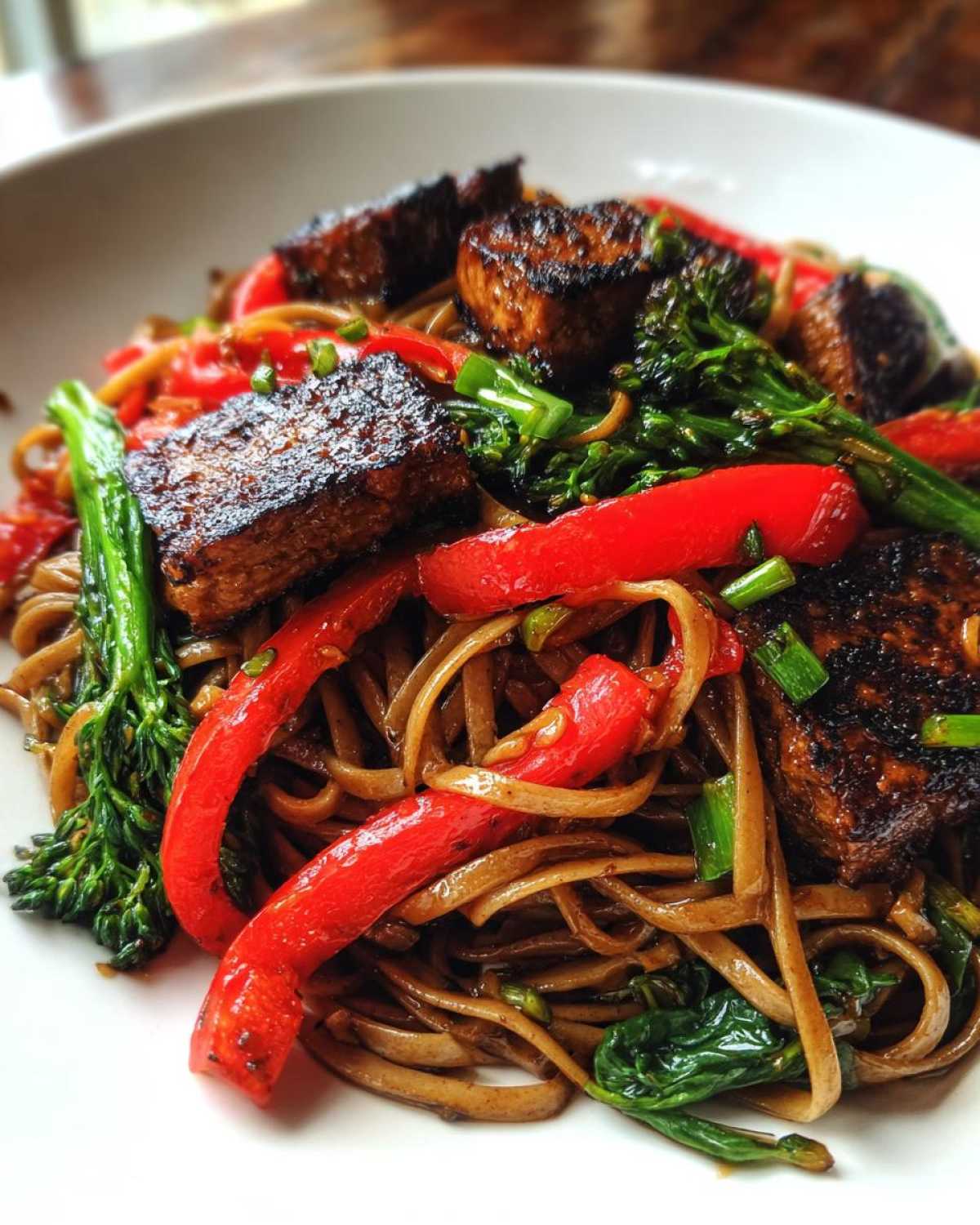
Toss the cooked protein and the noodles back into the wok. Pour that pre-mixed sauce right over the top of everything. This is where you toss constantly and quickly for one full minute, aggressively moving everything around so those noodles get coated an develop that charred flavor. It’s a fast dance!
Finally, pull the wok completely off the direct heat source. Throw in the cup of fresh Thai basil leaves. Just toss them gently until they barely start to wilt—maybe 15 seconds. That smoky, spicy goodness is done and ready to eat right now!
Tips for Success Making Authentic Thai Noodles at Home
Making restaurant-quality **Homemade Pad Kee Mao** isn’t impossible, but you have to respect the wok! My biggest piece of advice, reinforcing what I said earlier, is temperature, temperature, temperature! If you feel like your high heat setting seems too aggressive, crank it up another notch. Seriously, these noodles need blistering heat to get that essential, slightly charred mouthfeel.
If you try to cram a huge batch of noodles into the wok all at once, they steam. Don’t do that! If you’re entertaining more than two people, work in batches. Cook the protein and vegetables, pull them out, then cook the noodles separately and quickly toss everything together at the very end. This keeps the texture perfect every single time. When you’re practicing these methods, make sure to check out my tips for making that amazing chicken fried rice recipe—similar high-heat principles apply there!
Remember, the goal is quick cooking. Everything should happen fast in the final stage. Having your sauce measured and ready means you won’t panic when you need to grab the noodles and sauce in one swift motion!
How to Make Drunken Noodles Spicy and Customizing Your Thai Basil Stir Fry
So, you want to ramp up the heat on your Pad Kee Mao? Fantastic! That’s exactly what Drunken Noodles are all about—big, bold flavor that wakes you up. If you’re serious about making these spicy, you can’t just rely on the chilies you throw in initially. You need layers of heat!
When I make this for my brother-in-law, who thinks ghost peppers are a mild seasoning, I double the fresh Thai chilies in the aromatics step. But the real game-changer for controlled heat is adding a dash of chili oil right into your sauce mixture—that’s the heat that coats the noodle without necessarily burning your tongue instantly. It adds a richness too. If you’re exploring other ways to spice up your dinner routine, I love the heat in my spicy butternut squash tacos!
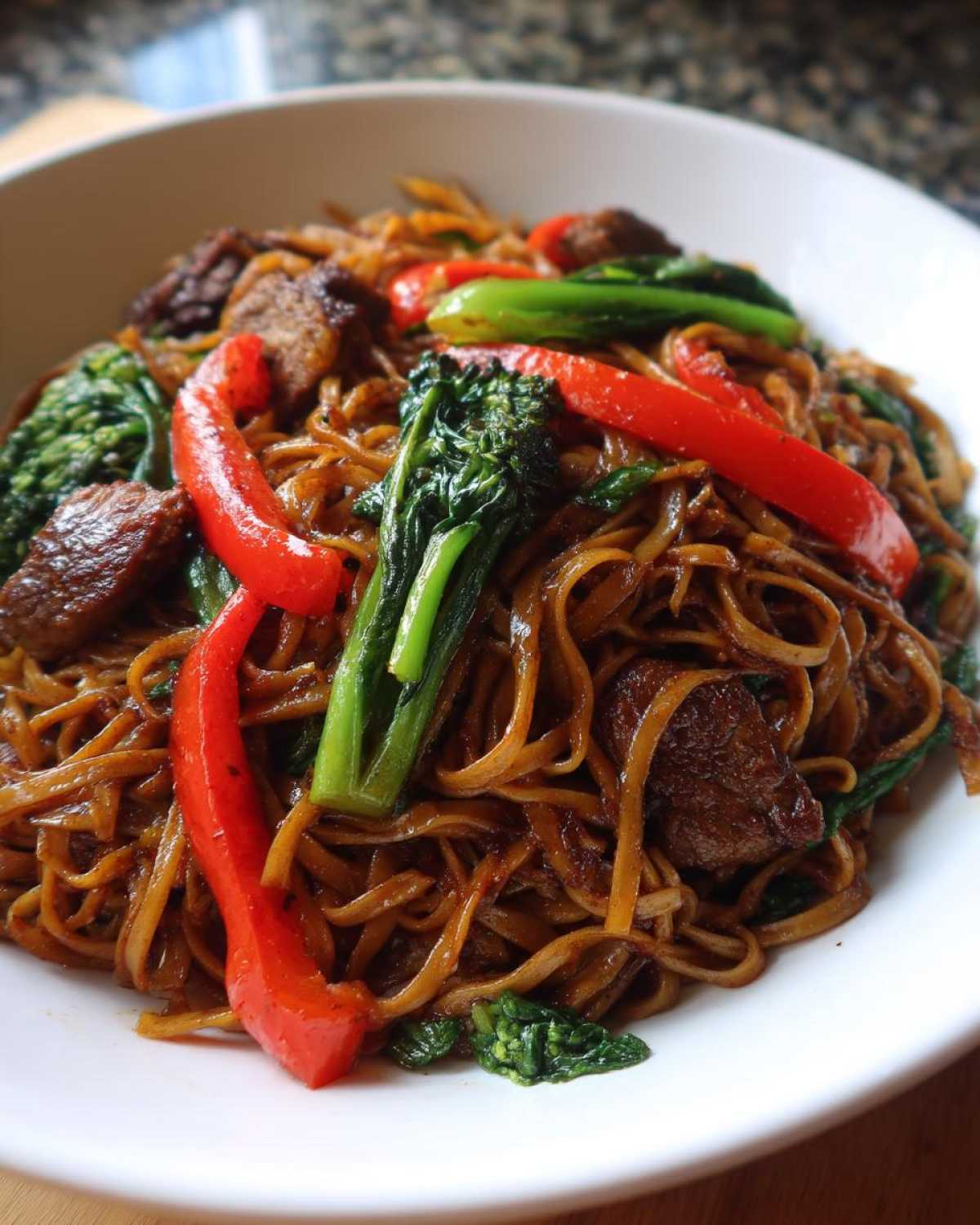
Customization is super easy here, which is why I love this **Thai Drunken Noodles recipe** so much. If you aren’t a fan of chicken, swap it for almost anything. Beef should be sliced thinly against the grain so it stays tender when stir-fried under high heat. Shrimp cooks so fast you might want to reserve it until the very last second before tossing it with the sauce. Vegetarian? Firm or extra-firm tofu is your best friend here. Just make sure you press that tofu really well to squeeze out the water so it crisps up nicely!
And don’t forget about the veggies! If you can’t find authentic Chinese broccoli (gai lan), regular broccoli works, but you might want to blanch it for just 30 seconds before tossing it in; this just ensures it cooks through in time. Or, try some thinly sliced carrots or mushrooms for textural variety in your **Thai Basil Stir Fry**.
Storage and Reheating Instructions for Leftover Thai Drunken Noodles
Now, honestly, these Thai Drunken Noodles are so outrageously good that there usually aren’t many leftovers, but if you manage to save some, we need to talk about reheating them properly. You absolutely cannot just dump them in the microwave! Microwaving them turns those beautiful wide rice noodles into hot, sticky glue. We want flavor, not desperation!
Your best bet for rescuing leftover Pad Kee Mao is to bring back that original high heat! Get a clean wok or a sturdy skillet nice and hot over medium-high heat. You might need to add just a tiny splash of water or maybe a teaspoon of broth—not oil, just enough liquid to create a little steam barrier.
Toss the cold noodles in the hot pan and stir constantly. The direct heat will wake up the starches and re-soften them, bringing back that lovely chewy texture. If they seem a little dry, you can add just a tiny drizzle of fish sauce or soy sauce right into the pan while tossing to reintroduce some seasoning.
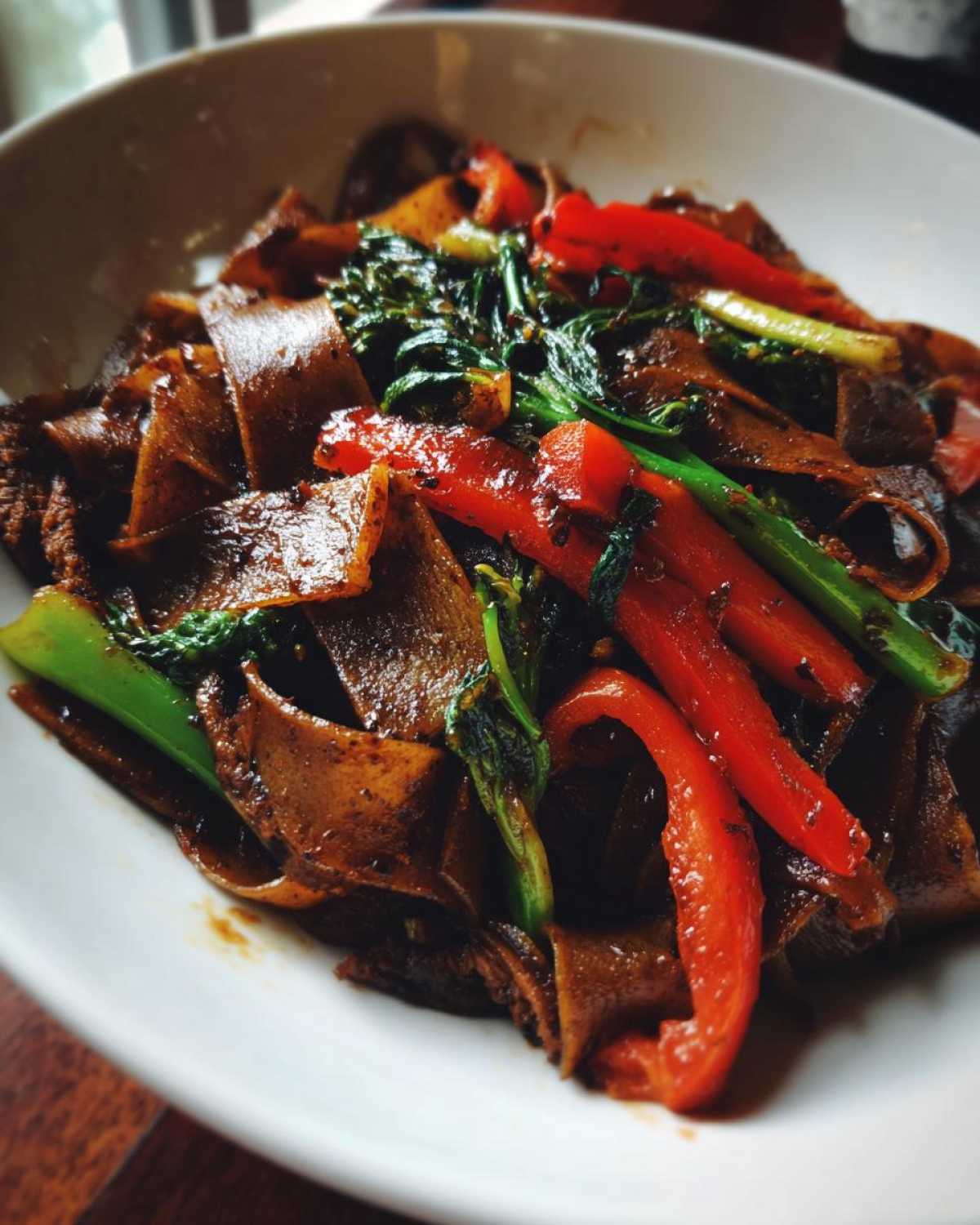
If you’re really making a large batch and plan on leftovers, try to reserve about half a cup of the sauce mixture separately and drizzle that over the noodles right before the final toss during reheating. This keeps your main batch from getting too salty while ensuring your leftovers are perfectly saucy!
Frequently Asked Questions About Pad Kee Mao Recipe
I get so many questions about this recipe since everyone wants that perfect plate of noodles, and honestly, some concerns pop up all the time. Don’t worry if you’re new to making **Pad Kee Mao recipe** at home; I’m here to help clarify everything so your results are amazing!
Can I use dried rice noodles instead of fresh for this Thai Drunken Noodles recipe?
Oh yes, you absolutely can! While fresh noodles give you the most authentic texture because they absorb less water during the super-fast stir-fry, dried ones work totally fine for this **Thai Drunken Noodles recipe**. The crucial thing, which I mentioned way back in Step 1, is that you have to soak them correctly. Don’t boil them until they’re soft like pasta; soak them in warm water until they are bendy and pliable but still have a noticeable firm little core. If they are fully soft when they go into the wok, they will just turn into mush when you toss them over high heat!
What is the difference between Pad See Ew and Pad Kee Mao?
This is such a common question, and it’s easy to confuse them since they both use those gorgeous wide rice noodles! The main differences are flavor and heat. Pad See Ew is the sweet cousin; it relies heavily on the dark sweet soy sauce for its dark color and has a much sweeter, deeply savory profile, usually with Chinese broccoli. **Pad Kee Mao**, on the other hand, is the spicy one. It’s all about the aggressive heat from the chilies and the distinct, slightly peppery aroma of fresh Thai basil. If you love spice, Pad Kee Mao is your answer!
For more insights into my methods and philosophy about cooking, feel free to check out my About Us page!
Estimated Nutritional Information for This Quick Weeknight Thai Dinner
I always want to give you guys the best picture of what you’re putting into your body when you make one of these amazing meals. Since we’re doing a big, bold **Thai Basil Stir Fry** here, the sodium can look a little high, which is pretty standard because we are using soy sauce and fish sauce—they are the heart and soul of the **Pad Kee Mao sauce recipe**!
Keep in mind that our recipe yields two servings, and these numbers are just estimates based on a standard chicken protein choice. If you swap to tofu or use less oil, your counts will obviously change! These big flavors make this an incredibly satisfying meal, but it’s good to know what’s in your bowl.
Here’s a rundown of the estimated nutrition for one serving:
- Serving Size: 1 serving
- Calories: 550
- Fat: 12g
- Saturated Fat: 2g
- Carbohydrates: 85g
- Protein: 30g
- Sodium: 1100mg (It’s salty, but that’s the street style!)
- Sugar: 10g
As always, because everyone’s pantry is different—maybe you use a lower sodium soy sauce, or maybe you skip the sugar entirely—these numbers are estimates. For the most accurate read on your specific **Thai Drunken Noodles recipe**, I always suggest running your exact ingredient amounts through a nutritional calculator. You can read more about my general approach to ingredient transparency on my disclaimer page!
Share Your Homemade Pad Kee Mao Experience
Okay, now that you have the keys to making incredible, smoky **Pad Kee Mao** that rivals any takeout joint, I absolutely *need* to know how it turned out! Cooking is a collaboration, right? I want to see your successes, hear your stories, and find out if you went full throttle on the spice level!
Did you manage to get that amazing ‘wok hei’ char on your wide rice noodles? Which protein did you choose for your **Easy Thai Stir Fry Noodles**? Maybe you stuck to chicken, or maybe you tried shrimp this time around. Tell me everything!
Please drop a rating below—whether it’s three stars because the smoke alarm went off (oops!) or five stars because it was the best **Authentic Thai Noodles at home** experience ever. Your feedback helps me keep this recipe current and fresh for everyone else looking for their perfect quick weeknight Thai dinner solution.
Did you dial back the chilies or add something extra? Let’s talk about it and help each other master the art of the **Street Style Noodles recipe**!
PrintAuthentic 25-Minute Street Style Thai Drunken Noodles (Pad Kee Mao)
Make fast, intensely flavored Thai Drunken Noodles at home. This recipe uses high heat to achieve a smoky char typical of street food style Pad Kee Mao.
- Prep Time: 10 min
- Cook Time: 15 min
- Total Time: 25 min
- Yield: 2 servings
- Category: Dinner
- Method: Stir-Frying
- Cuisine: Thai
- Diet: Low Fat
Ingredients
- 1 pound fresh wide rice noodles (Ho Fun or Sen Yai)
- 8 ounces protein (sliced chicken, beef, shrimp, or firm tofu)
- 2 tablespoons vegetable oil
- 4 cloves garlic, minced
- 2-4 Thai chilies, sliced (adjust for heat)
- 1 medium onion, sliced
- 1 red bell pepper, sliced
- 1 cup Chinese broccoli (gai lan) or regular broccoli florets
- 1 cup fresh Thai basil leaves
- 1 large egg, lightly beaten
- 1 tablespoon soy sauce (for marinating protein)
- 1 tablespoon oyster sauce (or vegetarian mushroom sauce)
- 1 tablespoon dark sweet soy sauce (for color and sweetness)
- 1 teaspoon fish sauce
- 1 teaspoon sugar
- 1/2 teaspoon white pepper
Instructions
- If using dried noodles, soak them according to package directions until pliable but still slightly firm. If using fresh noodles, separate them gently. Toss the protein with 1 tablespoon of soy sauce.
- Prepare the sauce: In a small bowl, mix the oyster sauce, dark sweet soy sauce, fish sauce, sugar, and white pepper. Set aside.
- Heat a wok or large skillet over high heat until it just begins to smoke. Add 1 tablespoon of oil, then add the marinated protein. Stir fry quickly until cooked through and slightly browned. Remove the protein and set aside.
- Add the remaining 1 tablespoon of oil to the hot wok. Add the garlic and chilies. Stir fry for 10 seconds until fragrant. Add the onion, bell pepper, and broccoli. Stir fry for 1-2 minutes until vegetables are crisp-tender.
- Push the vegetables to one side of the wok. Pour the beaten egg into the empty space and scramble quickly. Once mostly set, mix it with the vegetables.
- Add the noodles and the cooked protein back into the wok. Pour the prepared sauce mixture over everything. Toss constantly and quickly using tongs for 1-2 minutes, ensuring the noodles are evenly coated and slightly charred.
- Remove the wok from the heat. Stir in the fresh Thai basil leaves until they wilt slightly. Serve immediately.
Notes
- Use the highest heat possible when stir-frying the noodles to achieve the smoky ‘wok hei’ flavor.
- If your wok is not large enough, cook the noodles in two batches to prevent overcrowding, which steams the noodles instead of frying them.
- For extra spice, add a dash of chili oil with the sauce mixture.
Nutrition
- Serving Size: 1 serving
- Calories: 550
- Sugar: 10
- Sodium: 1100
- Fat: 12
- Saturated Fat: 2
- Unsaturated Fat: 10
- Trans Fat: 0
- Carbohydrates: 85
- Fiber: 4
- Protein: 30
- Cholesterol: 150